

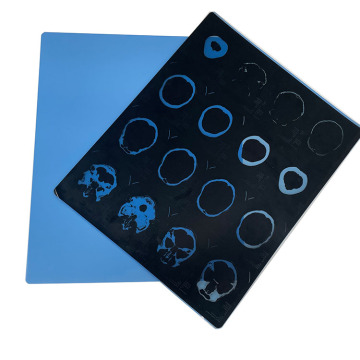
Our medical thermal film delivers exceptional clarity for diagnostic imaging, supported by advanced R&D and efficient production. Trusted through partnerships with leading hospitals, consistent sales growth and robust inventory ensure reliable, prompt global supply of this critical imaging film.
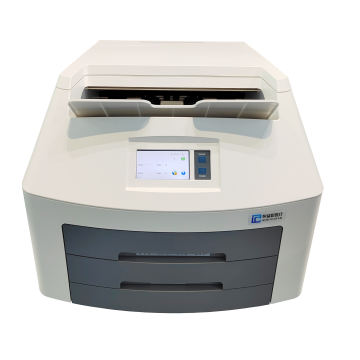
Medical Dry Imager shines as a game-changing diagnostic imaging device, boasting exceptional all-around performance that redefines efficiency in modern radiology. Ditching outdated wet chemical processing, Medical Dry Imager leverages cutting-edge thermal or laser imaging technology to deliver stunning high-resolution images (up to 600 dpi) in a flash—eliminating harmful chemical waste, slashing processing time, and championing eco-friendliness. Equipped with intelligent automatic image quality control, Medical Dry Imager guarantees consistently crisp, clear outputs, laying a rock-solid foundation for precise clinical diagnoses. Featuring an intuitive touchscreen interface, hassle-free daylight film loading, and minimal maintenance needs, Medical Dry Imager lowers operational barriers and cuts downtime to a minimum. With versatile compatibility, Medical Dry Imager supports multiple film sizes and seamlessly integrates with PACS/EHR systems, adapting effortlessly to diverse healthcare settings. Combined with impressive throughput, unbeatable cost-effectiveness, and rugged durability, Medical Dry Imager perfectly balances speed, sustainability, and reliability, emerging as an irreplaceable cornerstone for today’s radiology departments.
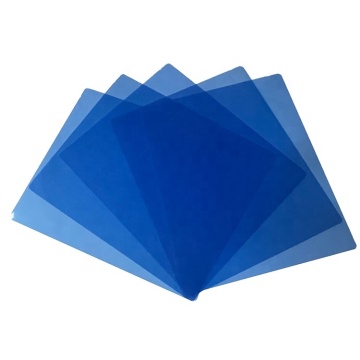
In the fast-evolving landscape of medical diagnostics, the demand for high-precision imaging solutions has never been more critical. Advanced coating technology has emerged as a transformative force, elevating the performance of medical thermal film to unprecedented levels. Ultra-clear medical thermal film, empowered by cutting-edge coating innovations, is redefining standards for image clarity, processing efficiency, and diagnostic accuracy in healthcare facilities worldwide.
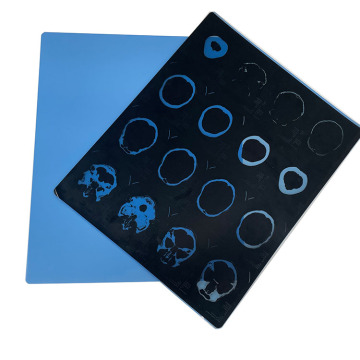
Our medical thermal film delivers exceptional clarity for diagnostic imaging, supported by advanced R&D and efficient production. Trusted through partnerships with leading hospitals, consistent sales growth and robust inventory ensure reliable, prompt global supply of this critical imaging film.
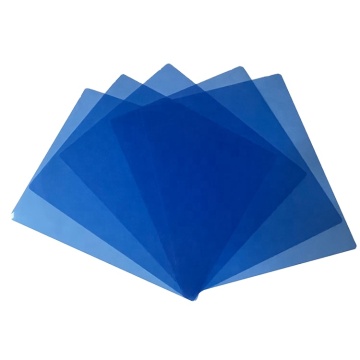
In the fast-paced field of medical diagnostics, the demand for efficient, high-precision imaging solutions continues to grow. Professional medical thermal film has emerged as a game-changer, offering fast-drying performance and high-clarity imaging that significantly enhances the workflow of healthcare facilities. Medical thermal film eliminates the tedious and time-consuming chemical development processes associated with traditional silver halide films, enabling immediate image output that supports timely clinical decision-making.
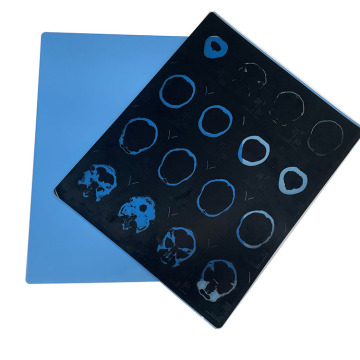
Our medical thermal film delivers exceptional clarity for diagnostic imaging, supported by advanced R&D and efficient production. Trusted through partnerships with leading hospitals, consistent sales growth and robust inventory ensure reliable, prompt global supply of this critical imaging film.

In the rapidly evolving global medical imaging industry, high-contrast medical thermal film has emerged as a critical component driving accurate diagnosis and efficient clinical workflows. With the global medical imaging market projected to reach approximately $185 billion in 2025 and maintain a steady CAGR of 5.5%, the demand for high-performance medical thermal film continues to surge alongside the growing prevalence of chronic diseases and the accelerating aging population worldwide. Medical thermal film, especially high-contrast variants, is redefining the standards of image clarity in diagnostic procedures, enabling healthcare professionals to capture subtle anatomical details that are vital for early disease detection.
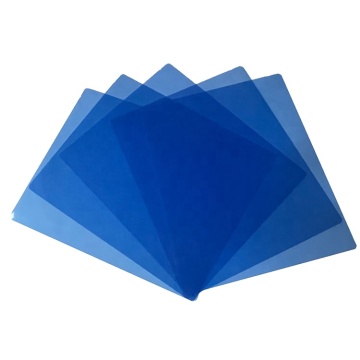
Medical X-ray film is a special film used to record and display X-ray images, which can convert the internal structure and abnormal conditions of the human body into visual images through the process of exposure and development.
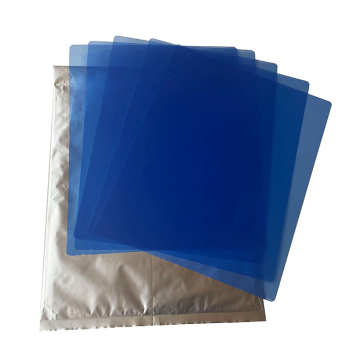
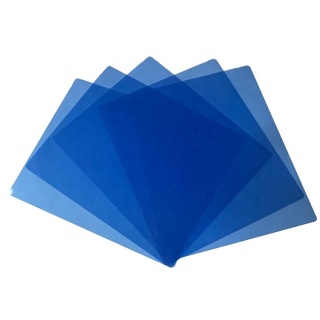
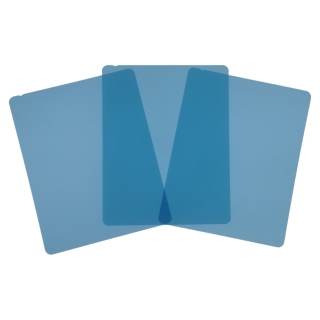
This Medical Inkjet Blue Film, made of high-quality PET base material, is a premium dry imaging consumable for medical scenarios. It boasts outstanding imaging performance with high definition and contrast, perfectly reproducing subtle medical image details to support accurate diagnosis. Compared with traditional films, it is eco-friendly and efficient, no need for darkroom processing, saving costs and improving work efficiency. With excellent water resistance and fade resistance, the film enables long-term stable preservation. Compatible with mainstream inkjet printers, it offers flexible specifications, meeting diverse needs of multiple medical departments.
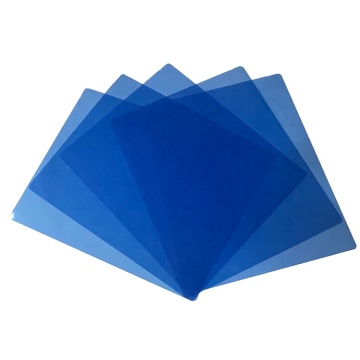
Our medical thermal film delivers exceptional clarity for diagnostic imaging, supported by advanced R&D and efficient production. Trusted through partnerships with leading hospitals, consistent sales growth and robust inventory ensure reliable, prompt global supply of this critical imaging film.
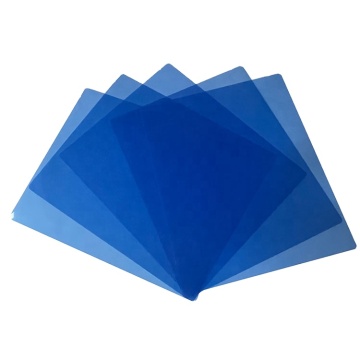
In the fast-paced world of healthcare, diagnostic accuracy depends heavily on reliable imaging tools, and industrial-grade medical thermal film stands out as a cornerstone of precise clinical decision-making. Healthcare providers worldwide trust industrial-grade medical thermal film to deliver clear visuals that reveal critical details, from subtle tissue variations to tiny anatomical structures, ensuring that no key information is missed during assessments. Industrial-grade medical thermal film combines advanced material science with precision engineering, creating a product that transforms ultrasonic waves, X-rays, and other diagnostic signals into sharp, actionable images that drive better outcomes for patients.
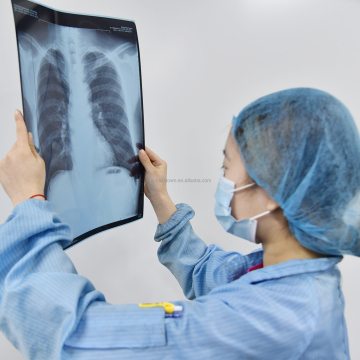
This medical film can be printed in bright room.
Low Fog,High Sharpness,High Dmax,Bright tone
Low Fog,High Sharpness,High Dmax,Bright tone