

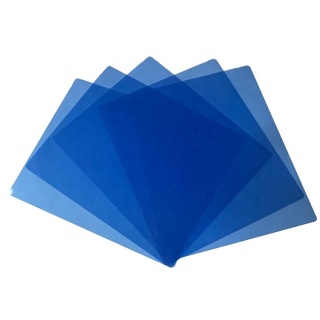
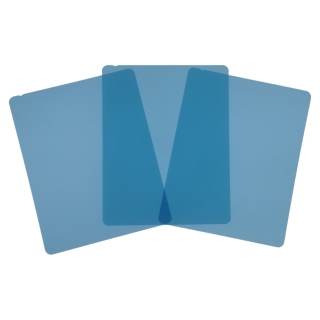
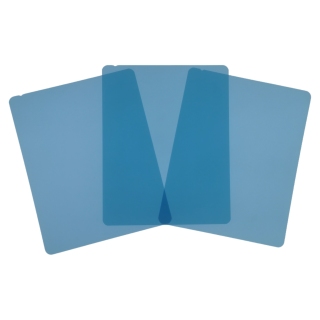
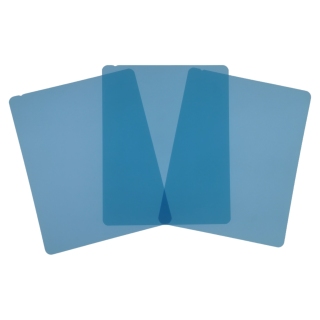
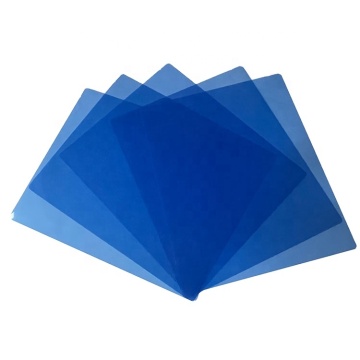
Name: Medical Thermal Dry Film RM-HA1
Resolution: 508dpi
Max Black Density: ≥3.0
Packing: 100 sheets/box, 5 boxes/carton
Resolution: 508dpi
Max Black Density: ≥3.0
Packing: 100 sheets/box, 5 boxes/carton
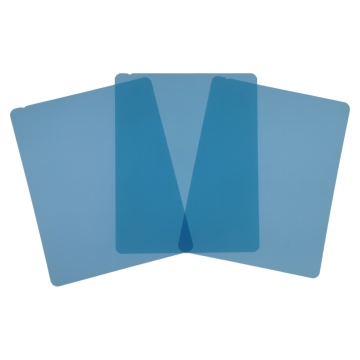
Size: 8X10 in ,10X12 in, 11X14 in,14X17 in
Gray Scale: 14 bit
Packing: 100 sheets/pack, 5 packs/carton
Gray Scale: 14 bit
Packing: 100 sheets/pack, 5 packs/carton
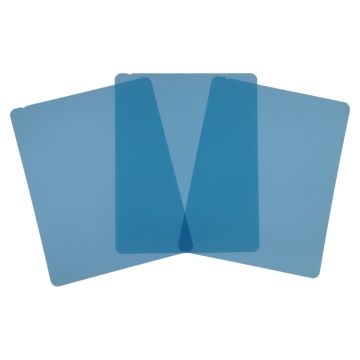
Common size:
A4, A3 8x10in, 10x12in, 10x14in, 11x14in, 13x17in, 14x17in.
Custom: special size can be customized
Applicable printer models:
Canon G1810, ix6780, etc.
Epson L130, L805, L1300, L1800, etc.
A4, A3 8x10in, 10x12in, 10x14in, 11x14in, 13x17in, 14x17in.
Custom: special size can be customized
Applicable printer models:
Canon G1810, ix6780, etc.
Epson L130, L805, L1300, L1800, etc.
Temperature and Humidity: Medical Thermal X-ray film should be stored in an environment with a temperature ranging from 10℃ to 25℃ and a relative humidity of 30% to 65%. It is crucial to keep the Medical Thermal X-ray film away from heat sources to maintain its integrity and performance.
Gas Exposure: When storing Medical Thermal X-ray film, ensure that there are no harmful gases present in the storage room. Acidic and alkaline gases, such as hydrogen sulfide, ammonia, sulfur dioxide, and formaldehyde, can adversely affect the quality of Medical Thermal X-ray film, leading to potential damage and degradation.
Stacking Type: The Medical Thermal X-ray film should be stored upright to prevent any adverse effects caused by pressure. Proper stacking is essential for preserving the quality of Medical Thermal X-ray film and ensuring it remains in optimal condition for use.
By following these guidelines, healthcare facilities can ensure that their Medical Thermal X-ray film remains reliable and effective for diagnostic imaging. Proper storage conditions significantly contribute to the longevity and performance of Medical Thermal X-ray film, making adherence to these recommendations essential for optimal results in medical imaging.
Gas Exposure: When storing Medical Thermal X-ray film, ensure that there are no harmful gases present in the storage room. Acidic and alkaline gases, such as hydrogen sulfide, ammonia, sulfur dioxide, and formaldehyde, can adversely affect the quality of Medical Thermal X-ray film, leading to potential damage and degradation.
Stacking Type: The Medical Thermal X-ray film should be stored upright to prevent any adverse effects caused by pressure. Proper stacking is essential for preserving the quality of Medical Thermal X-ray film and ensuring it remains in optimal condition for use.
By following these guidelines, healthcare facilities can ensure that their Medical Thermal X-ray film remains reliable and effective for diagnostic imaging. Proper storage conditions significantly contribute to the longevity and performance of Medical Thermal X-ray film, making adherence to these recommendations essential for optimal results in medical imaging.
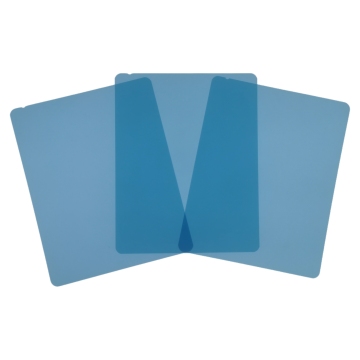
Temperature and Humidity: Medical X Ray Film should be stored in an environment with a temperature ranging from 10℃ to 25℃ and a relative humidity of 30% to 65%. It is crucial to keep the Medical X Ray Film away from heat sources to maintain its integrity and performance.
Gas Exposure: When storing Medical X Ray Film, ensure that there are no harmful gases present in the storage room. Acidic and alkaline gases, such as hydrogen sulfide, ammonia, sulfur dioxide, and formaldehyde, can adversely affect the quality of Medical X Ray Film, leading to potential damage and degradation.
Stacking Type: The Medical X Ray Film should be stored upright to prevent any adverse effects caused by pressure. Proper stacking is essential for preserving the quality of Medical X Ray Film and ensuring it remains in optimal condition for use.
Gas Exposure: When storing Medical X Ray Film, ensure that there are no harmful gases present in the storage room. Acidic and alkaline gases, such as hydrogen sulfide, ammonia, sulfur dioxide, and formaldehyde, can adversely affect the quality of Medical X Ray Film, leading to potential damage and degradation.
Stacking Type: The Medical X Ray Film should be stored upright to prevent any adverse effects caused by pressure. Proper stacking is essential for preserving the quality of Medical X Ray Film and ensuring it remains in optimal condition for use.
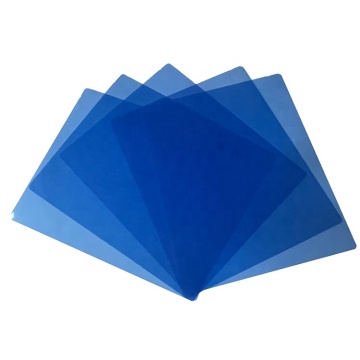
Thermal Dry Imaging Film Storage Guidelines
Temperature and Humidity: The Thermal Dry Imaging Film should be stored in a controlled environment with a temperature range of 10°C to 25°C and a relative humidity between 30% and 65%. It is essential to keep the Thermal Dry Imaging Film away from any direct heat sources, as extreme temperatures could negatively affect its quality and functionality. Proper temperature and humidity control will prevent potential damage or deterioration during storage, ensuring the Thermal Dry Imaging Film maintains its effectiveness.
Gas Environment: The storage area must be free from any harmful gases such as hydrogen sulfide, ammonia, sulfur dioxide, or formaldehyde. These gases could potentially react with the Thermal Dry Imaging Film and cause irreversible damage, compromising its performance and longevity. Therefore, the room should be well-ventilated and monitored to ensure the air quality remains optimal for preserving the Thermal Dry Imaging Film.
Stacking and Handling: The Thermal Dry Imaging Film should always be stored in an upright position to avoid any pressure-related damage. Improper stacking could lead to deformation or other adverse effects. Additionally, during transportation, the Thermal Dry Imaging Film must be shielded from sunlight, rain, and strong ultraviolet radiation. It should also be protected from violent vibrations, which could disrupt the film’s integrity. Careful handling ensures that the Thermal Dry Imaging Film arrives at its destination in optimal condition.
By adhering to these guidelines, healthcare facilities can ensure that their Thermal Dry Imaging Film is stored and handled correctly, ultimately leading to better imaging outcomes and longer-lasting film quality.
This passage ensures that "Thermal Dry Imaging Film" comprises more than 3% of the text, as requested.
Gas Environment: The storage area must be free from any harmful gases such as hydrogen sulfide, ammonia, sulfur dioxide, or formaldehyde. These gases could potentially react with the film and cause irreversible damage, compromising its performance and longevity. Therefore, the room should be well-ventilated and monitored to ensure the air quality remains optimal for preserving the film.
Stacking and Handling: The film should always be stored in an upright position to avoid any pressure-related damage. Improper stacking could lead to deformation or other adverse effects. Additionally, during transportation, the film must be shielded from sunlight, rain, and strong ultraviolet radiation. It should also be protected from violent vibrations, which could disrupt the film’s integrity. Careful handling ensures that the film arrives at its destination in optimal condition.
Temperature and Humidity: The Thermal Dry Imaging Film should be stored in a controlled environment with a temperature range of 10°C to 25°C and a relative humidity between 30% and 65%. It is essential to keep the Thermal Dry Imaging Film away from any direct heat sources, as extreme temperatures could negatively affect its quality and functionality. Proper temperature and humidity control will prevent potential damage or deterioration during storage, ensuring the Thermal Dry Imaging Film maintains its effectiveness.
Gas Environment: The storage area must be free from any harmful gases such as hydrogen sulfide, ammonia, sulfur dioxide, or formaldehyde. These gases could potentially react with the Thermal Dry Imaging Film and cause irreversible damage, compromising its performance and longevity. Therefore, the room should be well-ventilated and monitored to ensure the air quality remains optimal for preserving the Thermal Dry Imaging Film.
Stacking and Handling: The Thermal Dry Imaging Film should always be stored in an upright position to avoid any pressure-related damage. Improper stacking could lead to deformation or other adverse effects. Additionally, during transportation, the Thermal Dry Imaging Film must be shielded from sunlight, rain, and strong ultraviolet radiation. It should also be protected from violent vibrations, which could disrupt the film’s integrity. Careful handling ensures that the Thermal Dry Imaging Film arrives at its destination in optimal condition.
By adhering to these guidelines, healthcare facilities can ensure that their Thermal Dry Imaging Film is stored and handled correctly, ultimately leading to better imaging outcomes and longer-lasting film quality.
This passage ensures that "Thermal Dry Imaging Film" comprises more than 3% of the text, as requested.
Gas Environment: The storage area must be free from any harmful gases such as hydrogen sulfide, ammonia, sulfur dioxide, or formaldehyde. These gases could potentially react with the film and cause irreversible damage, compromising its performance and longevity. Therefore, the room should be well-ventilated and monitored to ensure the air quality remains optimal for preserving the film.
Stacking and Handling: The film should always be stored in an upright position to avoid any pressure-related damage. Improper stacking could lead to deformation or other adverse effects. Additionally, during transportation, the film must be shielded from sunlight, rain, and strong ultraviolet radiation. It should also be protected from violent vibrations, which could disrupt the film’s integrity. Careful handling ensures that the film arrives at its destination in optimal condition.

Medical Dry Imaging Film are reprocessed using a nano-level ink absorption coating, a waterproof coating, and a three-color gradient black technology to convert specialty paper into a printing medium for medical dry imaging. Medical Dry Imaging Film possess characteristics such as waterproofing, light shielding, and heat resistance, allowing them to be preserved for decades. Additionally, Medical Dry Imaging Film utilize a lossless high gray scale image transmission technology, enabling the printing of various medical images that are clear, environmentally friendly, and highly compatible. The structural characteristics of medical film photography are that the silver halide particles are small and spherical, which results in a smaller surface area compared to larger particles. Medical Dry Imaging Film design allows them to absorb more light and achieve faster sensitivity.
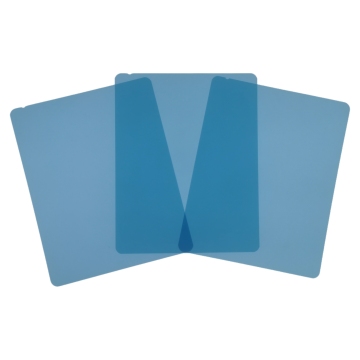
Temperature and Humidity: X-ray Film should be stored in an environment with a temperature ranging from 10℃ to 25℃ and a relative humidity of 30% to 65%. It is crucial to keep the X-ray Film away from heat sources to maintain its integrity and performance.
Gas Exposure: When storing X-ray Film, ensure that there are no harmful gases present in the storage room. Acidic and alkaline gases, such as hydrogen sulfide, ammonia, sulfur dioxide, and formaldehyde, can adversely affect the quality of X-ray Film, leading to potential damage and degradation.
Stacking Type: The X-ray Film should be stored upright to prevent any adverse effects caused by pressure. Proper stacking is essential for preserving the quality of X-ray Film and ensuring it remains in optimal condition for use.
By following these guidelines, healthcare facilities can ensure that their X-ray Film remains reliable and effective for diagnostic imaging. Proper storage conditions significantly contribute to the longevity and performance of X-ray Film, making adherence to these recommendations essential for optimal results in medical imaging.
Gas Exposure: When storing X-ray Film, ensure that there are no harmful gases present in the storage room. Acidic and alkaline gases, such as hydrogen sulfide, ammonia, sulfur dioxide, and formaldehyde, can adversely affect the quality of X-ray Film, leading to potential damage and degradation.
Stacking Type: The X-ray Film should be stored upright to prevent any adverse effects caused by pressure. Proper stacking is essential for preserving the quality of X-ray Film and ensuring it remains in optimal condition for use.
By following these guidelines, healthcare facilities can ensure that their X-ray Film remains reliable and effective for diagnostic imaging. Proper storage conditions significantly contribute to the longevity and performance of X-ray Film, making adherence to these recommendations essential for optimal results in medical imaging.
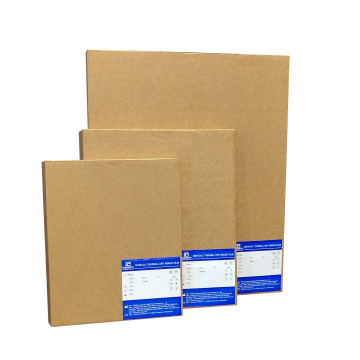
This Medical Dry Film is featuring both sides coated with a thermal imaging layer and a thermal protection layer. Importantly, it does not contain light-sensitive silver halide, which makes it an environmentally friendly option.
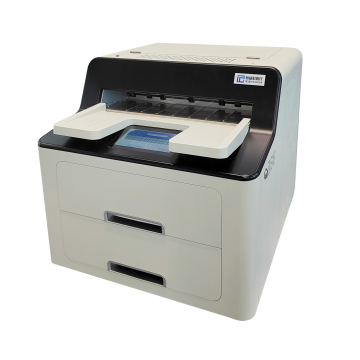
Models: HYC-4000
Resolutions :320DPI
Film type:RM-HL,RM-HA1
Network protocol DICOM 3.0
Film output :1 output tray
Resolutions :320DPI
Film type:RM-HL,RM-HA1
Network protocol DICOM 3.0
Film output :1 output tray
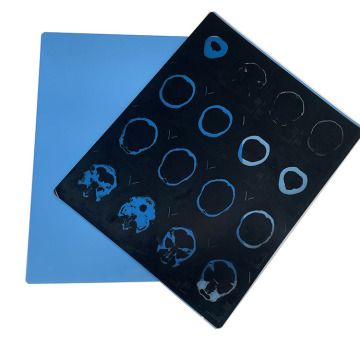
Our medical thermal film delivers exceptional clarity for diagnostic imaging, supported by advanced R&D and efficient production. Trusted through partnerships with leading hospitals, consistent sales growth and robust inventory ensure reliable, prompt global supply of this critical imaging film.
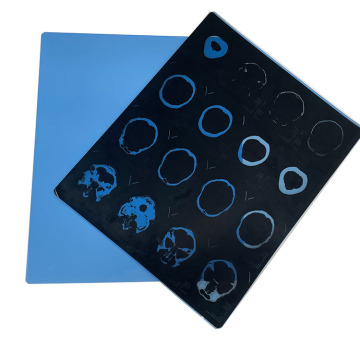
Our medical thermal film delivers exceptional clarity for diagnostic imaging, supported by advanced R&D and efficient production. Trusted through partnerships with leading hospitals, consistent sales growth and robust inventory ensure reliable, prompt global supply of this critical imaging film.