
Medical Dry Film Market Grows Steadily in 2026: Global Sales Reach RMB 10.2 Billion, But Digitalization Poses Long-Term Uncertainties
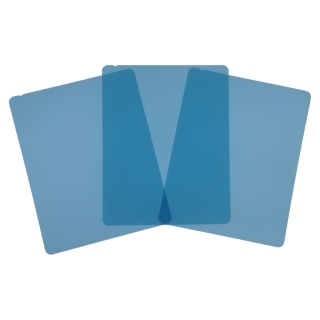
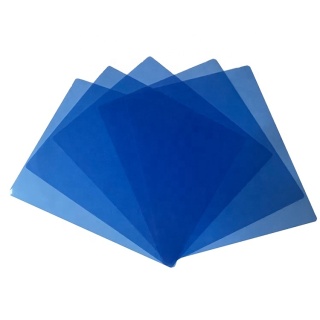
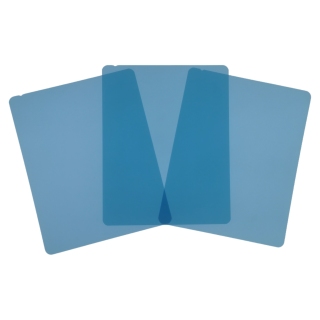
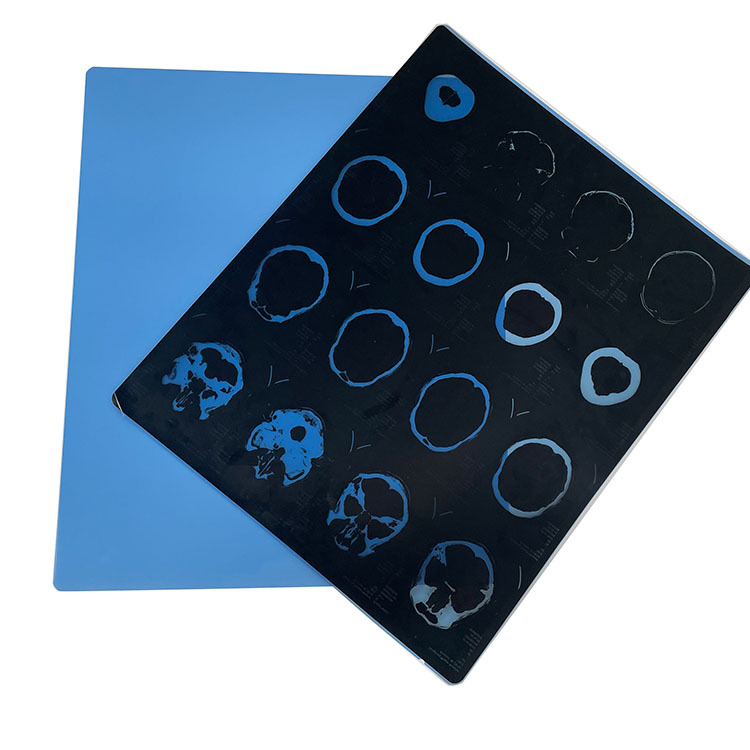
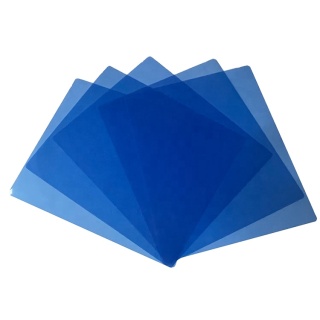
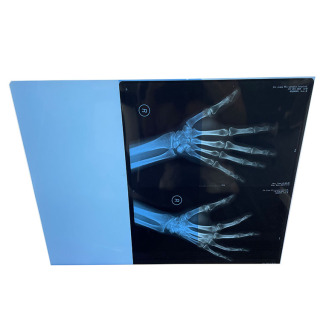
Our medical thermal film delivers exceptional clarity for diagnostic imaging, supported by advanced R&D and efficient production. Trusted through partnerships with leading hospitals, consistent sales growth and robust inventory ensure reliable, prompt global supply of this critical imaging film.
The global market for diagnostic imaging consumables achieved another year of steady growth in 2026, with total sales of medical thermal dry image film reaching RMB 10.2 billion. This revenue milestone reflects sustained clinical demand across radiology departments, emergency rooms, and surgical suites worldwide. However, industry analysts caution that the long-term trajectory faces mounting pressure from accelerating digitalization trends. The 2026 performance demonstrates the resilience of this product in hybrid diagnostic environments, yet healthcare providers continue evaluating opportunities to reduce physical media consumption. Market participants recognize that while medical thermal dry image film remains essential today, strategic adaptation will determine the future role of such imaging media in clinical workflows.
Several factors contributed to steady growth of global sales in 2026. Healthcare infrastructure expansion, particularly in emerging economies, created new demand for reliable diagnostic tools. Hospitals in Asia-Pacific, Latin America, and Africa continued investing in dry imagers compatible with medical thermal dry image film, recognizing advantages in settings with unreliable network connectivity. Additionally, regulatory requirements in many jurisdictions still mandate physical records for certain imaging studies, ensuring baseline consumption. The aging global population and rising chronic disease prevalence further sustained imaging volumes, directly supporting usage of medical thermal dry image film across multiple care settings.
Regional analysis reveals divergent trends for adoption. Asia-Pacific emerged as the fastest-growing market for diagnostic dry film, driven by China‘s healthcare modernization and India‘s expanding hospital networks. The region‘s 2026 sales increased by 15.2 percent year-over-year. North America and Europe showed modest growth of approximately 3-4 percent, reflecting mature markets with higher digitalization penetration. In those regions, consumption of medical thermal dry image film has shifted toward specialized applications such as surgical planning, trauma care, and patient consultations. The Middle East and Africa demonstrated steady demand as new diagnostic centers opened, though volumes remain smaller compared to Asia.
Digitalization poses the most significant long-term uncertainty for the diagnostic dry film market. Picture Archiving and Communication Systems have achieved near-universal adoption in developed countries, enabling radiologists to view images on high-resolution monitors without printing physical copies. Cloud-based sharing platforms further reduce the need for hard copies by allowing instant access across facilities. Some hospital systems have implemented “print only when necessary” policies, decreasing medical thermal dry image film consumption by 20-30 percent. If these trends accelerate, the RMB 10.2 billion market could experience contraction. Manufacturers must therefore innovate to maintain relevance.
Despite digitalization pressures, certain clinical scenarios continue to demand physical diagnostic media. Multidisciplinary team meetings benefit from tangible copies that can be annotated and displayed simultaneously. Patient consultations frequently involve providing hard-copy records that patients can take home. In operating rooms, sterile environments and immediate reference needs make medical thermal dry image film preferable to digital tablets. Legal and insurance requirements in many countries still accept such film as valid documentation. These persistent use cases provide a stable foundation for the market, even as digital alternatives improve.
Technological innovation offers a potential pathway to withstand digitalization challenges. Manufacturers are developing silver-free and reduced-silver formulations that lower costs and environmental impact, making medical thermal dry image film more attractive to price-sensitive and eco-conscious buyers. Integration with PACS allows automated printing only for clinically indicated studies, reducing waste while preserving availability. Smart features such as QR codes printed on each sheet enable quick digital retrieval of corresponding electronic records. These innovations enhance the value proposition of medical thermal dry image film in hybrid workflows, potentially slowing the shift toward fully digital systems.
Regional market dynamics in 2026 showed notable variation. China remained the largest single-country market for diagnostic dry film, consuming over 650 million sheets. The Beijing-Tianjin-Hebei centralized procurement awarded contracts to 95 suppliers for 2,466 specifications. India‘s market grew by over 18 percent, driven by new hospital construction under the Ayushman Bharat program. Japan and South Korea showed stable demand. European markets, particularly Germany and France, maintained steady volumes despite aggressive digitalization campaigns. The competitive landscape remains fragmented, with both global leaders and regional players supplying medical thermal dry image film.
Pricing trends for diagnostic dry film in 2026 reflected cost pressures and procurement efficiencies. Average selling prices declined by 3-5 percent compared to 2025, driven by centralized purchasing and raw material optimization. The shift toward silver-free formulations contributed to cost reductions. However, logistics and distribution costs increased due to fuel prices and supply chain disruptions. Hospitals implementing SPD supply models reported more predictable expenses for medical thermal dry image film. Overall, the RMB 10.2 billion sales figure represents slight volume growth offset by price erosion.
Environmental sustainability has emerged as a differentiator. Healthcare facilities increasingly prefer products with lower ecological footprints, influencing procurement decisions for medical thermal dry image film. Silver-free formulations eliminate hazardous waste, appealing to green hospital initiatives. Manufacturers that reduce packaging gain competitive advantages in tenders with environmental criteria. Several European hospital groups have committed to transitioning entirely to silver-free diagnostic film by 2030, creating a focused market segment. This trend may accelerate adoption of newer variants, potentially offsetting some digitalization-related volume declines.
Looking beyond 2026, the long-term outlook depends on several uncertain factors. The pace of PACS and cloud imaging adoption in emerging economies will determine whether growing healthcare demand translates into volume increases. Regulatory changes regarding medical record retention could either mandate or relax physical copy requirements. Technological breakthroughs in electronic displays might further reduce the need for medical thermal dry image film in surgical settings. Manufacturers that successfully position this product as a premium, specialized solution for specific clinical scenarios are likely to outperform those competing solely on price.
Potential threats extend beyond digitalization. Alternative hard-copy technologies, including reusable media and printable synthetic papers, could emerge as substitutes. Supply chain disruptions affecting raw materials might increase costs. However, the installed base of dry imagers compatible only with medical thermal dry image film represents a significant switching cost for hospitals. This infrastructure inertia provides a measure of protection, at least in the medium term. Strategic responses from manufacturers include diversification into integrated PACS-thermal film solutions and analytics services that help hospitals optimize usage.
In conclusion, the global medical thermal dry image film market‘s steady 2026 performance, with RMB 10.2 billion in sales, demonstrates enduring clinical value despite growing digitalization pressures. Sustained demand from emerging economies, specialized clinical applications, and regulatory requirements continue to support consumption. However, the long-term trajectory remains uncertain as fully digital workflows gain adoption. Manufacturers must innovate through silver-free formulations, PACS integration, and value-added services. Healthcare providers will continue balancing reliability against efficiency. The market‘s ability to navigate these competing forces will determine whether the RMB 10.2 billion milestone represents a peak or a plateau in the evolution of diagnostic imaging media.