

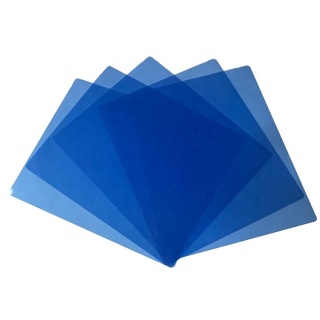
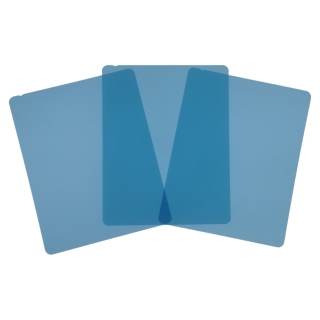
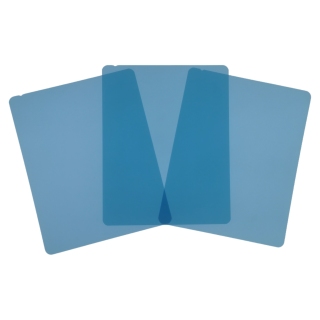
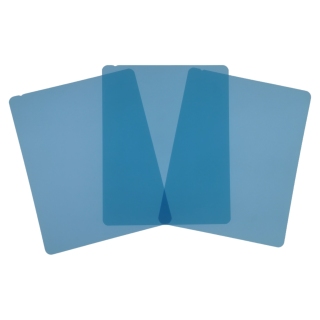

Medical Inkjet Film boasts prominent advantages in medical imaging applications. With advanced special coating technology, Medical Inkjet Film delivers superior image quality, featuring high resolution, sharp contrast and realistic color reproduction to clearly present subtle tissue and lesion details, boosting diagnostic accuracy. The product offers excellent usability and compatibility, seamlessly integrating with mainstream medical inkjet printers and existing digital systems without extra equipment upgrades, while its fast-drying property avoids smudging and enhances workflow efficiency. Medical Inkjet Film is durable and storage-stable, with water, scratch and light resistance to maintain image integrity long-term. Non-toxic and eco-friendly, it eliminates chemical hazards. Additionally, Medical Inkjet Film features reasonable cost and low waste rate, providing cost-effective solutions for various medical institutions and adapting to multiple specialty scenarios like radiology and ultrasound.
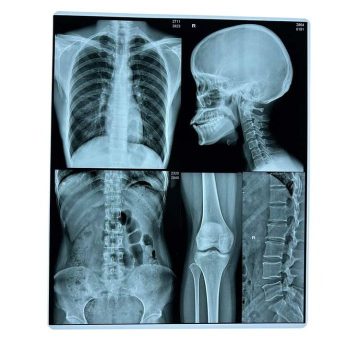
The global healthcare industry is witnessing a paradigm shift with the rapid evolution of medical dry film, a critical component that has redefined the efficiency and accuracy of diagnostic imaging. Medical dry film, known for medical dry film’s exceptional clarity, durability, and compatibility with modern imaging equipment, has become an indispensable tool for radiologists, hospitals, and diagnostic centers worldwide. As healthcare providers strive to deliver faster, more precise patient care, medical dry film continues to emerge as a game-changer, addressing longstanding challenges in traditional imaging materials.
Recent technological breakthroughs have elevated medical dry film to new heights, enhancing medical dry film’s performance in key areas such as resolution, contrast, and shelf life. Leading manufacturers in the medical device sector have invested heavily in research and development to optimize medical dry film’s composition, ensuring medical dry film delivers consistent results even in high-volume clinical settings.
Recent technological breakthroughs have elevated medical dry film to new heights, enhancing medical dry film’s performance in key areas such as resolution, contrast, and shelf life. Leading manufacturers in the medical device sector have invested heavily in research and development to optimize medical dry film’s composition, ensuring medical dry film delivers consistent results even in high-volume clinical settings.
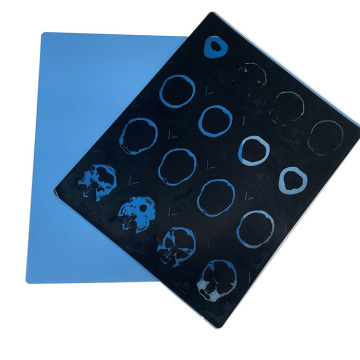
Medical thermal dry image film is a graphic recording medium composed of a blue polyester substrate coated with a thermal layer and a protective layer. It generates images in thermal printers based on the differential thermal effects of the thermal print head. Currently, medical thermal dry image film is widely used in medical imaging applications such as CT scans, MRI, CR, and DR for recording purposes, serving as a basis for physician diagnosis and treatment. Typically composed of a polyester PET base, a thermal layer, and a protective layer.
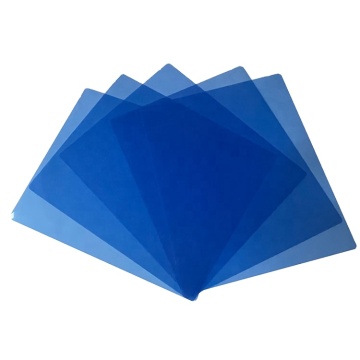
A leading Chinese manufacturer dedicated to medical imaging supplies officially launches an upgraded medical thermal film, with the core positioning “Imaging Clarity, Diagnostic Confidence: Chinese Medical Thermal Film's Core Strength”. This launch aims to address the critical demand for reliable imaging tools in global healthcare, as medical thermal film directly links to the accuracy of clinical diagnosis and the confidence of medical professionals.
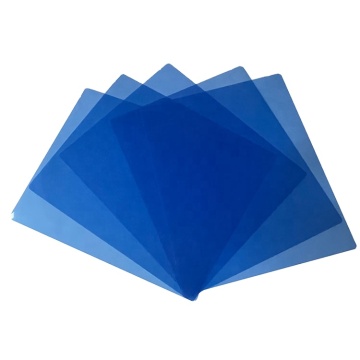
The global healthcare industry is witnessing a paradigm shift with the rapid evolution of medical dry film, a critical component that has redefined the efficiency and accuracy of diagnostic imaging. Medical dry film, known for medical dry film’s exceptional clarity, durability, and compatibility with modern imaging equipment, has become an indispensable tool for radiologists, hospitals, and diagnostic centers worldwide. As healthcare providers strive to deliver faster, more precise patient care, medical dry film continues to emerge as a game-changer, addressing longstanding challenges in traditional imaging materials.
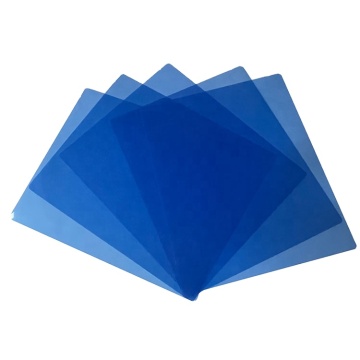
A leading Chinese manufacturer specializing in medical imaging solutions officially launches an upgraded version of medical thermal film under the theme “Precision in Every Pixel: Medical Thermal Film for Seamless Diagnosis”. This launch marks the company’s latest breakthrough in optimizing diagnostic efficiency for healthcare providers worldwide, with medical thermal film designed to address the core demands of clear imaging and reliable clinical judgment that medical professionals prioritize.
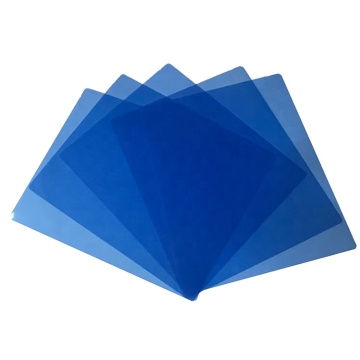
Thermosensitive medical film is a specialized printing material designed for medical imaging. It utilizes thermal imaging technology to convert digital medical images—such as X-rays, CT scans, and MRIs—into physical film. Its core feature is the elimination of chemical development, relying instead on a thermosensitive coating that develops upon heating. This offers advantages including rapid imaging, user-friendly operation, and environmental friendliness with zero pollution. It is widely used for image output in hospital departments such as radiology and orthopedics.
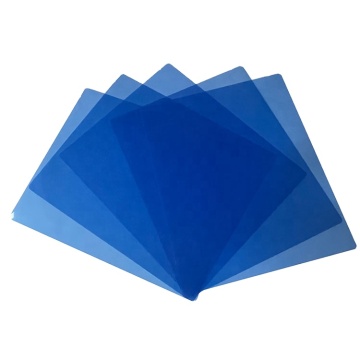
The medical imaging industry is witnessing a transformative leap forward with the launch of a cutting-edge medical film engineered to redefine diagnostic excellence.
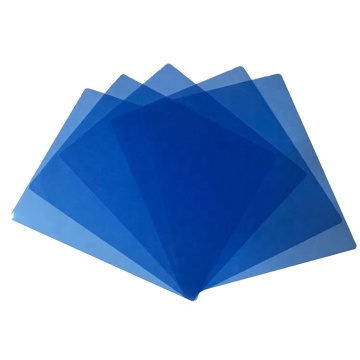
Our dedication to quality extends beyond the production of medical thermal film to include comprehensive customer support. We provide training and technical assistance to ensure that healthcare facilities can maximize the benefits of medical thermal film, from proper storage and handling to optimal integration with existing imaging systems. Our global distribution network ensures that medical thermal film is readily available to healthcare providers around the world, with fast delivery times to minimize downtime. We also offer customizable solutions for medical thermal film, tailored to the specific needs of different healthcare settings, whether it is a small clinic specializing in pediatric care or a large hospital with multiple imaging departments.

Product Highlights: Medical Film
Unmatched Diagnostic Clarity:** Provides high-fidelity, high-resolution images, ensuring exceptional detail for accurate and confident diagnoses.
Durable & Long-Lasting Physical Archive: Offers a robust, tamper-proof physical copy of medical studies, serving as a stable long-term archive independent of digital systems.
Universal Compatibility & Ease of Use: Guaranteed compatibility with all major medical imaging viewing stations and printers, ensuring seamless integration into existing clinical workflows.
Unmatched Diagnostic Clarity:** Provides high-fidelity, high-resolution images, ensuring exceptional detail for accurate and confident diagnoses.
Durable & Long-Lasting Physical Archive: Offers a robust, tamper-proof physical copy of medical studies, serving as a stable long-term archive independent of digital systems.
Universal Compatibility & Ease of Use: Guaranteed compatibility with all major medical imaging viewing stations and printers, ensuring seamless integration into existing clinical workflows.
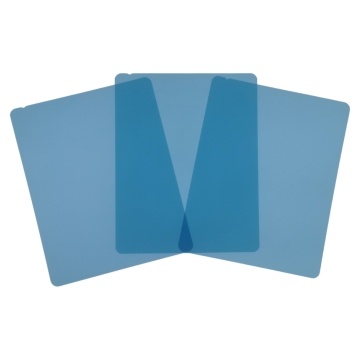
Unlike traditional photographic films, Blue Base Dry Film does not contain light-sensitive silver salts, significantly reducing environmental pollution.
Blue Base Dry Film is widely used in the field of digital medical imaging, including computerized radiography CR,DR, CT, Blue Base Dry Film, through its chemical-free, watermark-free imaging process, provides clear and reliable medical images for hospitals and clinics, helping doctors make accurate diagnoses.
Compared to other , Blue Base Dry Film has a higher density of over 3%, which makes it more capable of producing high-resolution images.
Blue Base Dry Film is compatible with various dry imaging printers, including leading industry brands like Fuji, AGFA, and more. This allows Blue Base Dry Film to seamlessly integrate with existing medical equipment, avoiding additional investments in devices, and efficiently outputting high-quality medical images.
The Blue Base Dry Film is crucial for the clarity of images, especially in medical environments where high-quality images are required. By increasing density, Blue Base Dry Film is able to provide more detailed image data, assisting doctors in obtaining more information during diagnoses.
By optimizing the density of Blue Base Dry Film, ensuring its stable performance and high-quality images, medical institutions can achieve more accurate and reliable imaging results, improving diagnostic precision for patients.
Blue Base Dry Film is widely used in the field of digital medical imaging, including computerized radiography CR,DR, CT, Blue Base Dry Film, through its chemical-free, watermark-free imaging process, provides clear and reliable medical images for hospitals and clinics, helping doctors make accurate diagnoses.
Compared to other , Blue Base Dry Film has a higher density of over 3%, which makes it more capable of producing high-resolution images.
Blue Base Dry Film is compatible with various dry imaging printers, including leading industry brands like Fuji, AGFA, and more. This allows Blue Base Dry Film to seamlessly integrate with existing medical equipment, avoiding additional investments in devices, and efficiently outputting high-quality medical images.
The Blue Base Dry Film is crucial for the clarity of images, especially in medical environments where high-quality images are required. By increasing density, Blue Base Dry Film is able to provide more detailed image data, assisting doctors in obtaining more information during diagnoses.
By optimizing the density of Blue Base Dry Film, ensuring its stable performance and high-quality images, medical institutions can achieve more accurate and reliable imaging results, improving diagnostic precision for patients.
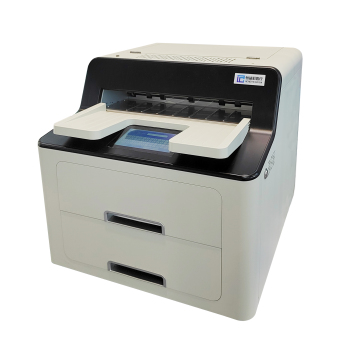
The Thermo-graphic Film Processor thermal printing system offers exceptional clarity, which is crucial for medical imaging. With options for 320dpi and 508dpi, it ensures accurate and detailed prints. Whether the images originate from CR, CT, DR, or MRI, the Thermo-graphic Film Processor guarantees sharp and clear images, significantly boosting diagnostic efficiency and accuracy.
Additionally, clear images produced by the Thermo-graphic Film Processor are invaluable for medical record archiving and comparison purposes. Through outstanding image clarity, this advanced system supports medical staff with reliable and precise prints, enhancing the overall quality of patient care. By incorporating the Thermo-graphic Film Processor into their workflow, healthcare professionals can ensure they have the highest quality imaging technology at their disposal.
Additionally, clear images produced by the Thermo-graphic Film Processor are invaluable for medical record archiving and comparison purposes. Through outstanding image clarity, this advanced system supports medical staff with reliable and precise prints, enhancing the overall quality of patient care. By incorporating the Thermo-graphic Film Processor into their workflow, healthcare professionals can ensure they have the highest quality imaging technology at their disposal.