

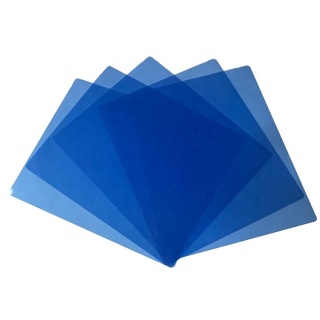
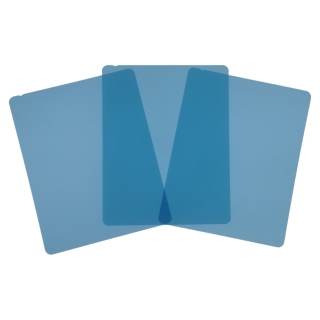
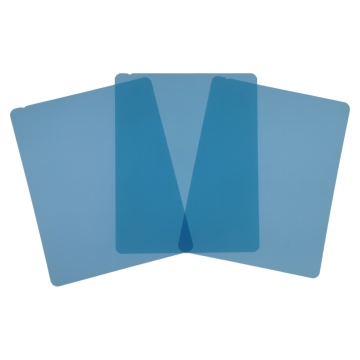
Size: 8X10 in ,10X12 in, 11X14 in,14X17 in
Gray Scale: 14 bit
Packing: 100 sheets/pack, 5 packs/carton
Gray Scale: 14 bit
Packing: 100 sheets/pack, 5 packs/carton
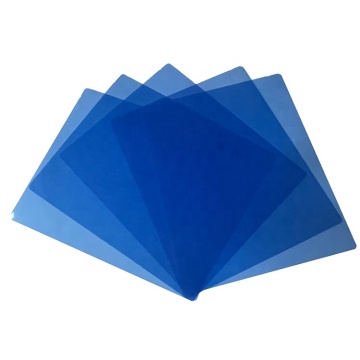
Thermal Dry Imaging Film Storage Guidelines
Temperature and Humidity: The Thermal Dry Imaging Film should be stored in a controlled environment with a temperature range of 10°C to 25°C and a relative humidity between 30% and 65%. It is essential to keep the Thermal Dry Imaging Film away from any direct heat sources, as extreme temperatures could negatively affect its quality and functionality. Proper temperature and humidity control will prevent potential damage or deterioration during storage, ensuring the Thermal Dry Imaging Film maintains its effectiveness.
Gas Environment: The storage area must be free from any harmful gases such as hydrogen sulfide, ammonia, sulfur dioxide, or formaldehyde. These gases could potentially react with the Thermal Dry Imaging Film and cause irreversible damage, compromising its performance and longevity. Therefore, the room should be well-ventilated and monitored to ensure the air quality remains optimal for preserving the Thermal Dry Imaging Film.
Stacking and Handling: The Thermal Dry Imaging Film should always be stored in an upright position to avoid any pressure-related damage. Improper stacking could lead to deformation or other adverse effects. Additionally, during transportation, the Thermal Dry Imaging Film must be shielded from sunlight, rain, and strong ultraviolet radiation. It should also be protected from violent vibrations, which could disrupt the film’s integrity. Careful handling ensures that the Thermal Dry Imaging Film arrives at its destination in optimal condition.
By adhering to these guidelines, healthcare facilities can ensure that their Thermal Dry Imaging Film is stored and handled correctly, ultimately leading to better imaging outcomes and longer-lasting film quality.
This passage ensures that "Thermal Dry Imaging Film" comprises more than 3% of the text, as requested.
Gas Environment: The storage area must be free from any harmful gases such as hydrogen sulfide, ammonia, sulfur dioxide, or formaldehyde. These gases could potentially react with the film and cause irreversible damage, compromising its performance and longevity. Therefore, the room should be well-ventilated and monitored to ensure the air quality remains optimal for preserving the film.
Stacking and Handling: The film should always be stored in an upright position to avoid any pressure-related damage. Improper stacking could lead to deformation or other adverse effects. Additionally, during transportation, the film must be shielded from sunlight, rain, and strong ultraviolet radiation. It should also be protected from violent vibrations, which could disrupt the film’s integrity. Careful handling ensures that the film arrives at its destination in optimal condition.
Temperature and Humidity: The Thermal Dry Imaging Film should be stored in a controlled environment with a temperature range of 10°C to 25°C and a relative humidity between 30% and 65%. It is essential to keep the Thermal Dry Imaging Film away from any direct heat sources, as extreme temperatures could negatively affect its quality and functionality. Proper temperature and humidity control will prevent potential damage or deterioration during storage, ensuring the Thermal Dry Imaging Film maintains its effectiveness.
Gas Environment: The storage area must be free from any harmful gases such as hydrogen sulfide, ammonia, sulfur dioxide, or formaldehyde. These gases could potentially react with the Thermal Dry Imaging Film and cause irreversible damage, compromising its performance and longevity. Therefore, the room should be well-ventilated and monitored to ensure the air quality remains optimal for preserving the Thermal Dry Imaging Film.
Stacking and Handling: The Thermal Dry Imaging Film should always be stored in an upright position to avoid any pressure-related damage. Improper stacking could lead to deformation or other adverse effects. Additionally, during transportation, the Thermal Dry Imaging Film must be shielded from sunlight, rain, and strong ultraviolet radiation. It should also be protected from violent vibrations, which could disrupt the film’s integrity. Careful handling ensures that the Thermal Dry Imaging Film arrives at its destination in optimal condition.
By adhering to these guidelines, healthcare facilities can ensure that their Thermal Dry Imaging Film is stored and handled correctly, ultimately leading to better imaging outcomes and longer-lasting film quality.
This passage ensures that "Thermal Dry Imaging Film" comprises more than 3% of the text, as requested.
Gas Environment: The storage area must be free from any harmful gases such as hydrogen sulfide, ammonia, sulfur dioxide, or formaldehyde. These gases could potentially react with the film and cause irreversible damage, compromising its performance and longevity. Therefore, the room should be well-ventilated and monitored to ensure the air quality remains optimal for preserving the film.
Stacking and Handling: The film should always be stored in an upright position to avoid any pressure-related damage. Improper stacking could lead to deformation or other adverse effects. Additionally, during transportation, the film must be shielded from sunlight, rain, and strong ultraviolet radiation. It should also be protected from violent vibrations, which could disrupt the film’s integrity. Careful handling ensures that the film arrives at its destination in optimal condition.
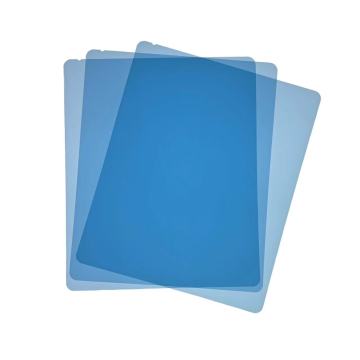
Medical Dry Imaging Film are reprocessed using a nano-level ink absorption coating, a waterproof coating, and a three-color gradient black technology to convert specialty paper into a printing medium for medical dry imaging. Medical Dry Imaging Film possess characteristics such as waterproofing, light shielding, and heat resistance, allowing them to be preserved for decades. Additionally, Medical Dry Imaging Film utilize a lossless high gray scale image transmission technology, enabling the printing of various medical images that are clear, environmentally friendly, and highly compatible. The structural characteristics of medical film photography are that the silver halide particles are small and spherical, which results in a smaller surface area compared to larger particles. Medical Dry Imaging Film design allows them to absorb more light and achieve faster sensitivity.

Product introduction
This thermal Dry Film is made of blue polyester based film with anti-slip layer, imaging layer and protection layer. It can be used for dry imaging output equipment directly in light room .Such as Fuji, Agfa or other dry imaging equipment.
Product features: This film can be operated in a bright room, Low fog, High sharpness, High max density, Bright tone.
This thermal Dry Film is made of blue polyester based film with anti-slip layer, imaging layer and protection layer. It can be used for dry imaging output equipment directly in light room .Such as Fuji, Agfa or other dry imaging equipment.
Product features: This film can be operated in a bright room, Low fog, High sharpness, High max density, Bright tone.
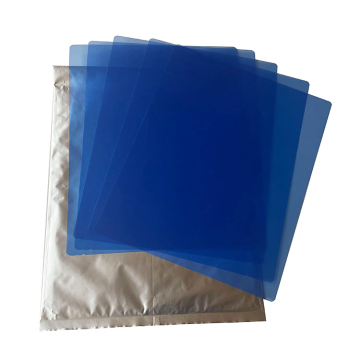
Medical thermal film is widely used in radiology departments, imaging centers and clinics. With independent R&D technology and large-scale standardized production strength, it has cooperated with many well-known medical institutions. The product maintains stable sales volume all year round, with sufficient inventory to ensure timely delivery, and its high-definition imaging and environmental protection advantages have won unanimous recognition from customers.
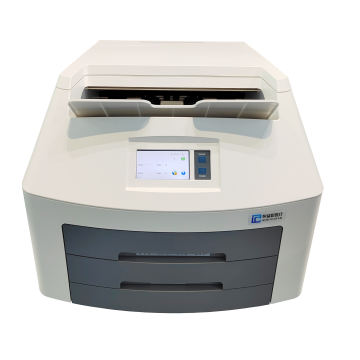
Medical Dry Imager shines as a game-changing diagnostic imaging device, boasting exceptional all-around performance that redefines efficiency in modern radiology. Ditching outdated wet chemical processing, Medical Dry Imager leverages cutting-edge thermal or laser imaging technology to deliver stunning high-resolution images (up to 600 dpi) in a flash—eliminating harmful chemical waste, slashing processing time, and championing eco-friendliness. Equipped with intelligent automatic image quality control, Medical Dry Imager guarantees consistently crisp, clear outputs, laying a rock-solid foundation for precise clinical diagnoses. Featuring an intuitive touchscreen interface, hassle-free daylight film loading, and minimal maintenance needs, Medical Dry Imager lowers operational barriers and cuts downtime to a minimum. With versatile compatibility, Medical Dry Imager supports multiple film sizes and seamlessly integrates with PACS/EHR systems, adapting effortlessly to diverse healthcare settings. Combined with impressive throughput, unbeatable cost-effectiveness, and rugged durability, Medical Dry Imager perfectly balances speed, sustainability, and reliability, emerging as an irreplaceable cornerstone for today’s radiology departments.
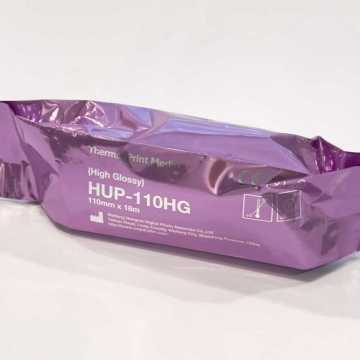
Ultrasound Paper boasts outstanding high-definition imaging fidelity, serving as a core medium for preserving subtle ultrasound details like anatomical features and fetal development. Ultrasound Paper maintains stable image integrity across clinical, mobile diagnostic and industrial non-destructive testing scenarios, adapting to advanced ultrasound equipment’s evolving needs. With cross-field versatility, Ultrasound Paper supports medical fields such as obstetrics and cardiology, as well as industrial sectors including aerospace and automotive infrastructure testing. Committed to sustainability, Ultrasound Paper offers BPA-free and recyclable variants, balancing durability and eco-friendliness for long-term medical archiving. It features strong compatibility via joint R&D with ultrasound device providers, complementing AI systems as reliable physical backups. Ultrasound Paper meets global medical regulatory standards, with tailored solutions for emerging and developed markets, securing a stable global position.
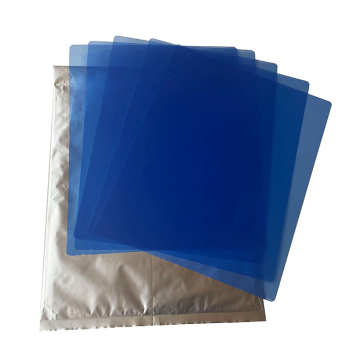
This Medical Inkjet Blue Film, made of high-quality PET base material, is a premium dry imaging consumable for medical scenarios. It boasts outstanding imaging performance with high definition and contrast, perfectly reproducing subtle medical image details to support accurate diagnosis. Compared with traditional films, it is eco-friendly and efficient, no need for darkroom processing, saving costs and improving work efficiency. With excellent water resistance and fade resistance, the film enables long-term stable preservation. Compatible with mainstream inkjet printers, it offers flexible specifications, meeting diverse needs of multiple medical departments.

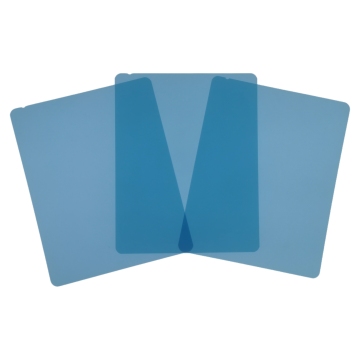
Medical Inkjet Film boasts prominent advantages in medical imaging applications. With advanced special coating technology, Medical Inkjet Film delivers superior image quality, featuring high resolution, sharp contrast and realistic color reproduction to clearly present subtle tissue and lesion details, boosting diagnostic accuracy. The product offers excellent usability and compatibility, seamlessly integrating with mainstream medical inkjet printers and existing digital systems without extra equipment upgrades, while its fast-drying property avoids smudging and enhances workflow efficiency. Medical Inkjet Film is durable and storage-stable, with water, scratch and light resistance to maintain image integrity long-term. Non-toxic and eco-friendly, it eliminates chemical hazards. Additionally, Medical Inkjet Film features reasonable cost and low waste rate, providing cost-effective solutions for various medical institutions and adapting to multiple specialty scenarios like radiology and ultrasound.

Product Highlights: Medical Film
Unmatched Diagnostic Clarity:** Provides high-fidelity, high-resolution images, ensuring exceptional detail for accurate and confident diagnoses.
Durable & Long-Lasting Physical Archive: Offers a robust, tamper-proof physical copy of medical studies, serving as a stable long-term archive independent of digital systems.
Universal Compatibility & Ease of Use: Guaranteed compatibility with all major medical imaging viewing stations and printers, ensuring seamless integration into existing clinical workflows.
Unmatched Diagnostic Clarity:** Provides high-fidelity, high-resolution images, ensuring exceptional detail for accurate and confident diagnoses.
Durable & Long-Lasting Physical Archive: Offers a robust, tamper-proof physical copy of medical studies, serving as a stable long-term archive independent of digital systems.
Universal Compatibility & Ease of Use: Guaranteed compatibility with all major medical imaging viewing stations and printers, ensuring seamless integration into existing clinical workflows.
Temperature and Humidity: Film should be stored in an environment with a temperature ranging from 10℃ to 25℃ and a relative humidity of 30% to 65%. It is crucial to keep the Film away from heat sources to maintain its integrity and performance.
Gas Exposure: When storing Film, ensure that there are no harmful gases present in the storage room. Acidic and alkaline gases, such as hydrogen sulfide, ammonia, sulfur dioxide, and formaldehyde, can adversely affect the quality of Film, leading to potential damage and degradation.
Stacking Type: The Film should be stored upright to prevent any adverse effects caused by pressure. Proper stacking is essential for preserving the quality of CT/DR/MRI/CR Imaging Output Film and ensuring it remains in optimal condition for use.
Gas Exposure: When storing Film, ensure that there are no harmful gases present in the storage room. Acidic and alkaline gases, such as hydrogen sulfide, ammonia, sulfur dioxide, and formaldehyde, can adversely affect the quality of Film, leading to potential damage and degradation.
Stacking Type: The Film should be stored upright to prevent any adverse effects caused by pressure. Proper stacking is essential for preserving the quality of CT/DR/MRI/CR Imaging Output Film and ensuring it remains in optimal condition for use.
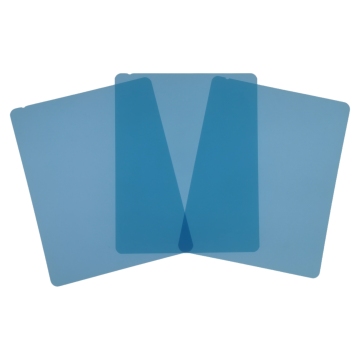
Temperature and Humidity: Blue Base Dry Imaging film should be stored in an environment with a temperature ranging from 10℃ to 25℃ and a relative humidity of 30% to 65%. It is crucial to keep the Blue Base Dry Imaging film away from heat sources to maintain its integrity and performance.
Gas Exposure: When storing Blue Base Dry Imaging film, ensure that there are no harmful gases present in the storage room. Acidic and alkaline gases, such as hydrogen sulfide, ammonia, sulfur dioxide, and formaldehyde, can adversely affect the quality of Blue Base X-ray film, leading to potential damage and degradation.
Stacking Type: The Blue Base Dry Imaging film should be stored upright to prevent any adverse effects caused by pressure. Proper stacking is essential for preserving the quality of Blue Base Dry Imaging film and ensuring it remains in optimal condition for use.
By following these guidelines, healthcare facilities can ensure that their Blue Base Dry Imaging film remains reliable and effective for diagnostic imaging. Proper storage conditions significantly contribute to the longevity and performance of Blue Base Dry Imaging film, making adherence to these recommendations essential for optimal results in medical imaging.
Gas Exposure: When storing Blue Base Dry Imaging film, ensure that there are no harmful gases present in the storage room. Acidic and alkaline gases, such as hydrogen sulfide, ammonia, sulfur dioxide, and formaldehyde, can adversely affect the quality of Blue Base X-ray film, leading to potential damage and degradation.
Stacking Type: The Blue Base Dry Imaging film should be stored upright to prevent any adverse effects caused by pressure. Proper stacking is essential for preserving the quality of Blue Base Dry Imaging film and ensuring it remains in optimal condition for use.
By following these guidelines, healthcare facilities can ensure that their Blue Base Dry Imaging film remains reliable and effective for diagnostic imaging. Proper storage conditions significantly contribute to the longevity and performance of Blue Base Dry Imaging film, making adherence to these recommendations essential for optimal results in medical imaging.