


Navigating the Digital Shift: AI and Sustainability Redefine Medical Imaging Film
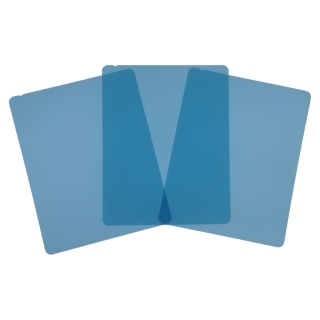
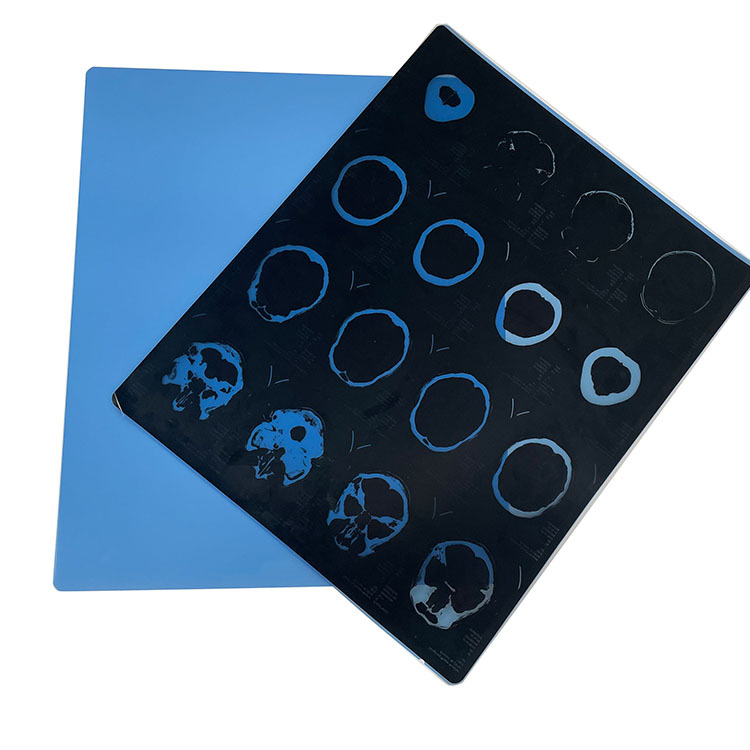
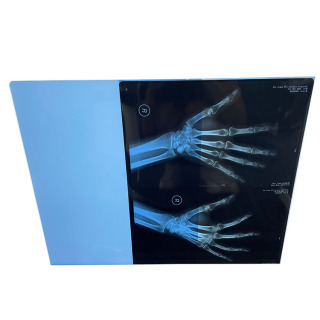
Our medical thermal film delivers exceptional clarity for diagnostic imaging, supported by advanced R&D and efficient production. Trusted through partnerships with leading hospitals, consistent sales growth and robust inventory ensure reliable, prompt global supply of this critical imaging film.
The global medical imaging industry stands at a significant crossroads, shaped by powerful, converging forces. The relentless march of digitalization presents profound challenges to traditional modalities, including the consumption of medical thermal film. However, parallel trends in artificial intelligence (AI) diagnostics and urgent environmental, social, and governance (ESG) requirements are simultaneously forging new opportunities. The medical thermal film segment, a long-established pillar of diagnostic hardcopy, is actively evolving within this complex landscape, transitioning from a ubiquitous commodity to a specialized component in a hybrid, intelligent, and more sustainable imaging ecosystem.
Digital hospital transformation and the widespread adoption of cloud-based Picture Archiving and Communication Systems (PACS) have undoubtedly reduced the volume of routine diagnostic printing. This digital shift directly pressures the traditional high-volume demand model for medical thermal film. The medical film market has responded not with decline, but with strategic specialization. The core demand for medical thermal film is now concentrated in specific, indispensable clinical scenarios where a physical, portable, and legally robust image is paramount. These scenarios ensure the medical thermal film retains a critical, albeit more focused, role in modern radiology departments and surgical suites.
Paradoxically, the rise of AI diagnostics is creating a nuanced new demand driver for physical media. As AI algorithms assist in detecting anomalies, the need for clear, tangible images for multidisciplinary team discussions, patient consultations, and surgical planning remains vital. The medical thermal film provides a reliable, high-fidelity medium for presenting AI-annotated or highlighted findings in clinical settings where multiple stakeholders must review the same static image. Therefore, AI integration complements rather than replaces the functional utility of medical thermal film in collaborative care pathways, reinforcing the value of dependable hardcopy output.
Environmental sustainability has emerged as a powerful catalyst for innovation within the medical thermal film supply chain. Regulatory pressures and institutional ESG goals are driving demand for greener products. Leading manufacturers are now investing in next-generation medical thermal film technologies, such as non-silver halide and reduced-heavy-metal formulations. These advanced medical film products aim to deliver identical diagnostic performance while significantly minimizing ecological impact throughout the product lifecycle, from production to disposal. This environmental focus is transforming the medical thermal film from a passive consumable into an active component of a hospital’s sustainability portfolio.
The market evolution is compelling the medical thermal film industry to adopt a more sophisticated, service-oriented model. Success no longer depends solely on volume but on providing guaranteed quality, seamless integration with digital/print hybrid workflows, and assured supply chain resilience. The medical thermal film must perform flawlessly with increasingly sophisticated dry imagers and printers. Furthermore, manufacturers are developing specialized medical thermal film variants optimized for particular imaging modalities or archival requirements, adding value through customization and technical support tailored to modern imaging departments' specific needs.
Industry analysts observe a market bifurcation. "The generic medical thermal film market is consolidating, while the premium, application-specific medical film segment is growing," notes a senior industry consultant. "The future of medical thermal film hinges on demonstrable value-add: superior consistency for diagnostic confidence, enhanced durability for surgical environments, and verified sustainability credentials. The medical film of tomorrow will be a high-precision tool, not just a blank medium." This shift positions the medical thermal film as a specialized solution for critical imaging needs within a predominantly digital framework.
Ultimately, the medical imaging industry's path forward is hybrid. The medical thermal film will coexist with advanced digital and AI tools, each serving distinct yet complementary purposes. The challenge for the medical film sector is to continuously innovate—improving the environmental profile of the film, ensuring compatibility with intelligent imaging systems, and demonstrating unwavering reliability. By embracing these drivers, the medical thermal film industry can successfully navigate the current crossroads, securing a sustainable and valuable niche in the future of diagnostic medicine, where digital intelligence and tangible clarity work in concert to improve patient outcomes.