

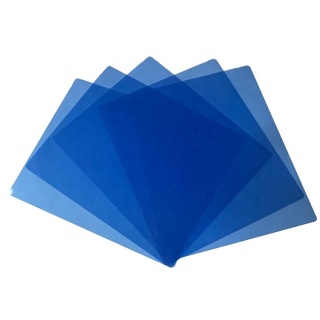
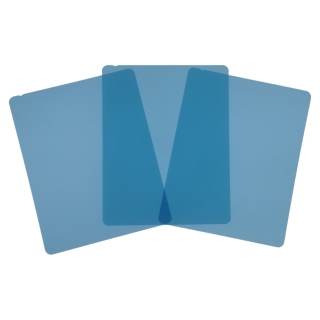
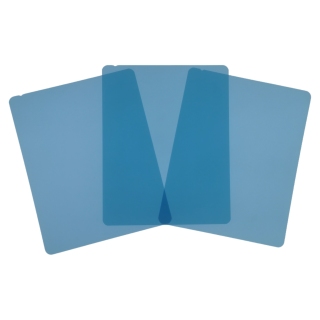
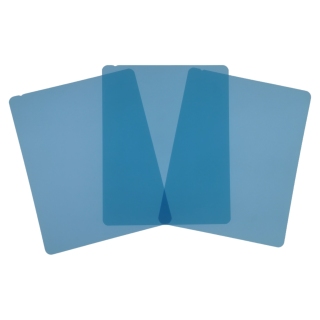
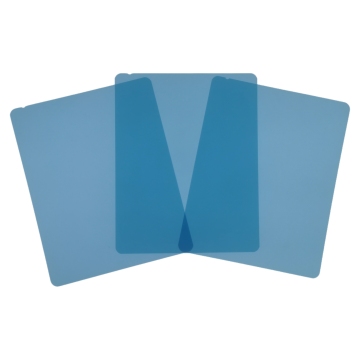
Inkjet Medical X-ray Film is widely used in the medical imaging field, particularly in diagnostic imaging such as radiology, ultrasound, and CT scans. These Inkjet Medical X-ray Film present high-quality medical images that aid doctors in making accurate diagnoses and analyses. Due to their eco-friendly materials and excellent printing quality, Inkjet Medical X-ray Film are gradually replacing traditional films, reducing harmful substance emissions. In the education sector, inkjet films are also utilized in medical training and simulations, helping students better understand anatomical structures and disease presentations through high-quality images. Additionally, inkjet films find applications in the fields of art creation and photography, where artists and photographers leverage their superior color reproduction capabilities and fine image quality to create exquisite artworks and high-quality photographs. These application scenarios highlight the significance and practicality of inkjet films across various fields.
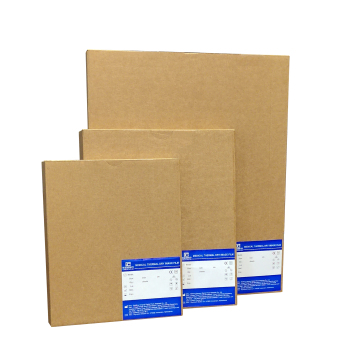
Inkjet Medical Dry Blue Film is widely used in the medical imaging field, particularly in diagnostic imaging such as radiology, ultrasound, and CT scans. These Inkjet Medical Dry Blue Films present high-quality medical images that aid doctors in making accurate diagnoses and analyses. Due to their eco-friendly materials and excellent printing quality, inkjet films are gradually replacing traditional films, reducing harmful substance emissions. In the education sector, inkjet films are also utilized in medical training and simulations, helping students better understand anatomical structures and disease presentations through high-quality images. Additionally, inkjet films find applications in the fields of art creation and photography, where artists and photographers leverage their superior color reproduction capabilities and fine image quality to create exquisite artworks and high-quality photographs. These application scenarios highlight the significance and practicality of inkjet films across various fields.
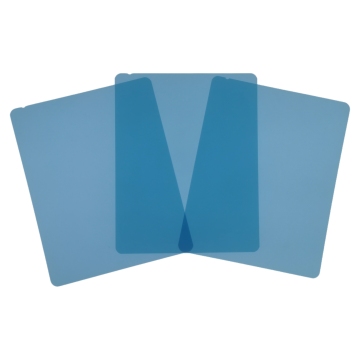
Temperature and Humidity: Film should be stored in an environment with a temperature ranging from 10℃ to 25℃ and a relative humidity of 30% to 65%. It is crucial to keep the Film away from heat sources to maintain its integrity and performance.
Gas Exposure: When storing Film, ensure that there are no harmful gases present in the storage room. Acidic and alkaline gases, such as hydrogen sulfide, ammonia, sulfur dioxide, and formaldehyde, can adversely affect the quality of Film, leading to potential damage and degradation.
Stacking Type: The Film should be stored upright to prevent any adverse effects caused by pressure. Proper stacking is essential for preserving the quality of CT/DR/MRI/CR Imaging Output Film and ensuring it remains in optimal condition for use.
Gas Exposure: When storing Film, ensure that there are no harmful gases present in the storage room. Acidic and alkaline gases, such as hydrogen sulfide, ammonia, sulfur dioxide, and formaldehyde, can adversely affect the quality of Film, leading to potential damage and degradation.
Stacking Type: The Film should be stored upright to prevent any adverse effects caused by pressure. Proper stacking is essential for preserving the quality of CT/DR/MRI/CR Imaging Output Film and ensuring it remains in optimal condition for use.
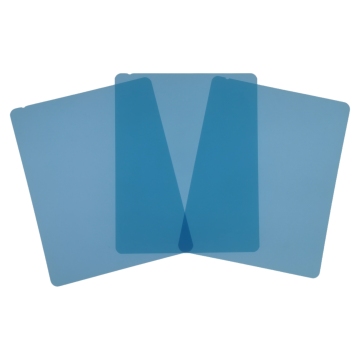
Temperature and Humidity: Blue Base Dry Imaging film should be stored in an environment with a temperature ranging from 10℃ to 25℃ and a relative humidity of 30% to 65%. It is crucial to keep the Blue Base Dry Imaging film away from heat sources to maintain its integrity and performance.
Gas Exposure: When storing Blue Base Dry Imaging film, ensure that there are no harmful gases present in the storage room. Acidic and alkaline gases, such as hydrogen sulfide, ammonia, sulfur dioxide, and formaldehyde, can adversely affect the quality of Blue Base X-ray film, leading to potential damage and degradation.
Stacking Type: The Blue Base Dry Imaging film should be stored upright to prevent any adverse effects caused by pressure. Proper stacking is essential for preserving the quality of Blue Base Dry Imaging film and ensuring it remains in optimal condition for use.
By following these guidelines, healthcare facilities can ensure that their Blue Base Dry Imaging film remains reliable and effective for diagnostic imaging. Proper storage conditions significantly contribute to the longevity and performance of Blue Base Dry Imaging film, making adherence to these recommendations essential for optimal results in medical imaging.
Gas Exposure: When storing Blue Base Dry Imaging film, ensure that there are no harmful gases present in the storage room. Acidic and alkaline gases, such as hydrogen sulfide, ammonia, sulfur dioxide, and formaldehyde, can adversely affect the quality of Blue Base X-ray film, leading to potential damage and degradation.
Stacking Type: The Blue Base Dry Imaging film should be stored upright to prevent any adverse effects caused by pressure. Proper stacking is essential for preserving the quality of Blue Base Dry Imaging film and ensuring it remains in optimal condition for use.
By following these guidelines, healthcare facilities can ensure that their Blue Base Dry Imaging film remains reliable and effective for diagnostic imaging. Proper storage conditions significantly contribute to the longevity and performance of Blue Base Dry Imaging film, making adherence to these recommendations essential for optimal results in medical imaging.
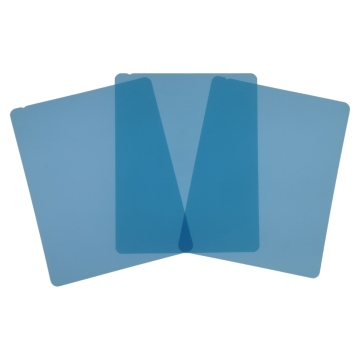
Medical laser film is a type of film used in medical imaging to record the reflection of laser beams emitted by medical imaging equipment within the human body. The main features of medical laser film are high sensitivity and good image quality, which can record more accurate medical imaging data. It is an essential part of medical imaging.Medical Laser Film is typically used to record the laser beams emitted by medical imaging equipment such as CT (Computed Tomography), MRI (Magnetic Resonance Imaging), and DR (Digital Radiography), to capture the results of medical examinations like X-rays, magnetic resonance, and ultrasound. The high image quality of medical laser film allows for more precise medical imaging data, further improving the accuracy and reliability of medical diagnoses, which plays a significant role in patient diagnosis and treatment.
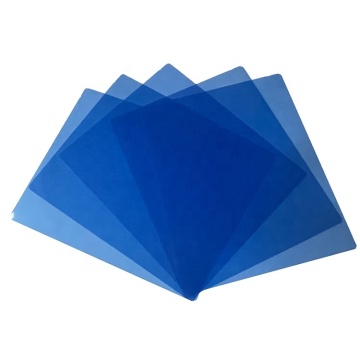
Temperature and Humidity: Radioloygraph Dry Film should be stored in a controlled environment with a temperature range of 10℃ to 25℃ and a relative humidity between 30% and 65%. It is essential to keep Radioloygraph Dry Film away from heat sources to maintain its quality and prevent any degradation in performance.
Gas Environment: The storage area must be free from harmful gases, including acidic and alkaline substances such as hydrogen sulfide, ammonia, sulfur dioxide, and formaldehyde. Exposure to these gases can adversely affect Radioloygraph Dry Film, leading to irreversible damage and a decline in imaging quality.
Stacking and Handling: Radioloygraph Dry Film should always be stored upright to avoid damage caused by pressure. Proper stacking is crucial for maintaining the film’s integrity. During transportation, it is vital to protect Radioloygraph Dry Film from sunlight, rain, strong ultraviolet radiation, and violent vibrations, as these factors can compromise its quality and effectiveness.
By following these guidelines, healthcare facilities can ensure that Radioloygraph Dry Film remains in optimal condition for use in medical imaging. Proper storage and handling are key to preserving the film’s performance and ensuring accurate diagnostic results.
Gas Environment: The storage area must be free from harmful gases, including acidic and alkaline substances such as hydrogen sulfide, ammonia, sulfur dioxide, and formaldehyde. Exposure to these gases can adversely affect Radioloygraph Dry Film, leading to irreversible damage and a decline in imaging quality.
Stacking and Handling: Radioloygraph Dry Film should always be stored upright to avoid damage caused by pressure. Proper stacking is crucial for maintaining the film’s integrity. During transportation, it is vital to protect Radioloygraph Dry Film from sunlight, rain, strong ultraviolet radiation, and violent vibrations, as these factors can compromise its quality and effectiveness.
By following these guidelines, healthcare facilities can ensure that Radioloygraph Dry Film remains in optimal condition for use in medical imaging. Proper storage and handling are key to preserving the film’s performance and ensuring accurate diagnostic results.
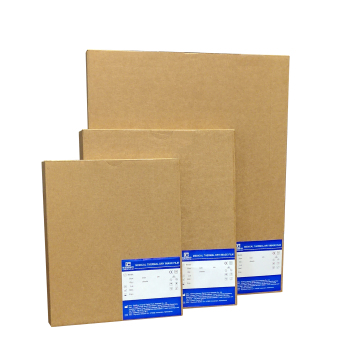
Temperature and Humidity: The Dry Daylight Load Film should be stored in a controlled environment with a temperature range of 10℃ to 25℃ and a relative humidity between 30% and 65%. It is essential to keep the Dry Daylight Load Film away from heat sources to maintain its quality and functionality.
Gas Environment: The storage room must be free from any harmful acid and alkaline gases, such as hydrogen sulfide, ammonia, sulfur dioxide, and formaldehyde. These gases can negatively impact the integrity of the Dry Daylight Load Film, leading to potential damage and reduced performance.
Stacking Type: The Dry Daylight Load Film should always be stored upright to avoid any adverse effects caused by pressure. Proper stacking helps maintain the film’s quality. Additionally, during transportation, the Dry Daylight Load Film must not be exposed to sunlight, rain, strong ultraviolet radiation, or violent vibrations, as these conditions can compromise its integrity.
By following these guidelines, users can ensure that their Dry Daylight Load Film remains in optimal condition for effective use in medical imaging. Proper storage and handling are critical for preserving the film's quality and performance.
Gas Environment: The storage room must be free from any harmful acid and alkaline gases, such as hydrogen sulfide, ammonia, sulfur dioxide, and formaldehyde. These gases can negatively impact the integrity of the Dry Daylight Load Film, leading to potential damage and reduced performance.
Stacking Type: The Dry Daylight Load Film should always be stored upright to avoid any adverse effects caused by pressure. Proper stacking helps maintain the film’s quality. Additionally, during transportation, the Dry Daylight Load Film must not be exposed to sunlight, rain, strong ultraviolet radiation, or violent vibrations, as these conditions can compromise its integrity.
By following these guidelines, users can ensure that their Dry Daylight Load Film remains in optimal condition for effective use in medical imaging. Proper storage and handling are critical for preserving the film's quality and performance.
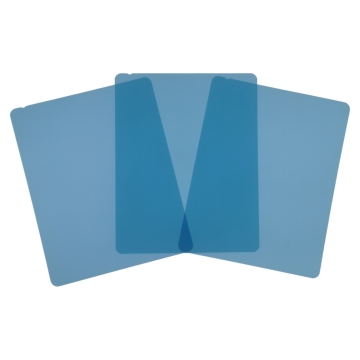
Mammograms can be thermally printed from digital images of medical equipment after being processed by computer calculations. This printing process ensures that mammograms allow for the accurate reproduction of various medical images obtained from computer processing. The mammogram features several advantages, including low fog, high image clarity, high density, vibrant colors, and ease of use. Additionally, these mammograms are compatible with well-known brands of mammogram printers in the export market, making them a versatile choice for healthcare facilities.
The integration of mammograms into the thermal printing workflow enhances the overall quality and reliability of diagnostic imaging. By utilizing the HENGYICAIFILM thermal printing system in conjunction with advanced mammogram technology, healthcare professionals can ensure that high-quality images are readily available for patient evaluation and care. The emphasis on precision and clarity in mammograms is crucial for effective diagnosis and treatment planning in breast health.
Mammograms play a vital role in early detection and diagnosis of breast cancer, making their accurate reproduction essential in clinical practice. The ability to produce consistent and high-quality mammograms supports healthcare providers in making informed decisions about patient care. Furthermore, the advancements in mammogram printing technology facilitate seamless integration into existing imaging workflows, allowing for efficient handling of patient data.
In conclusion, the use of mammograms printed through this technology not only meets the demands of modern healthcare but also significantly enhances patient outcomes. With the ability to produce mammograms that adhere to high standards, medical facilities can confidently rely on this technology to fulfill their imaging requirements while ensuring superior patient care.
The integration of mammograms into the thermal printing workflow enhances the overall quality and reliability of diagnostic imaging. By utilizing the HENGYICAIFILM thermal printing system in conjunction with advanced mammogram technology, healthcare professionals can ensure that high-quality images are readily available for patient evaluation and care. The emphasis on precision and clarity in mammograms is crucial for effective diagnosis and treatment planning in breast health.
Mammograms play a vital role in early detection and diagnosis of breast cancer, making their accurate reproduction essential in clinical practice. The ability to produce consistent and high-quality mammograms supports healthcare providers in making informed decisions about patient care. Furthermore, the advancements in mammogram printing technology facilitate seamless integration into existing imaging workflows, allowing for efficient handling of patient data.
In conclusion, the use of mammograms printed through this technology not only meets the demands of modern healthcare but also significantly enhances patient outcomes. With the ability to produce mammograms that adhere to high standards, medical facilities can confidently rely on this technology to fulfill their imaging requirements while ensuring superior patient care.
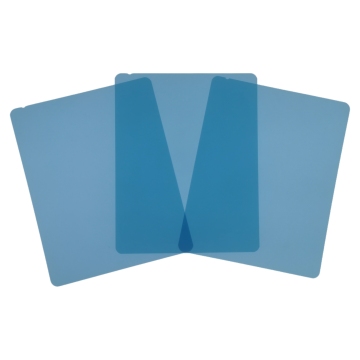
Inkjet X-ray Film is widely used in the medical imaging field, particularly in diagnostic imaging such as radiology, ultrasound, and CT scans. These Inkjet X-ray Film present high-quality medical images that aid doctors in making accurate diagnoses and analyses. Due to their eco-friendly materials and excellent printing quality, Inkjet X-ray Film are gradually replacing traditional films, reducing harmful substance emissions. In the education sector, Inkjet X-ray Film are also utilized in medical training and simulations, helping students better understand anatomical structures and disease presentations through high-quality images. Additionally, Inkjet X-ray Film find applications in the fields of art creation and photography, where artists and photographers leverage their superior color reproduction capabilities and fine image quality to create exquisite artworks and high-quality photographs. These application scenarios highlight the significance and practicality of Inkjet X-ray Film across various fields.
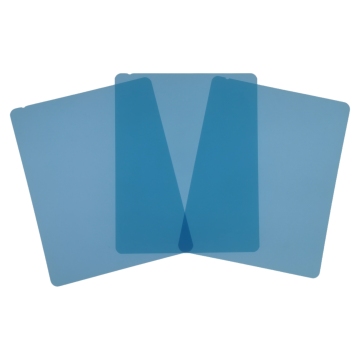
Temperature and Humidity: Blue Base X-ray film should be stored in an environment with a temperature ranging from 10℃ to 25℃ and a relative humidity of 30% to 65%. It is crucial to keep the Blue Base X-ray film away from heat sources to maintain its integrity and performance.
Gas Exposure: When storing Blue Base X-ray film, ensure that there are no harmful gases present in the storage room. Acidic and alkaline gases, such as hydrogen sulfide, ammonia, sulfur dioxide, and formaldehyde, can adversely affect the quality of Blue Base X-ray film, leading to potential damage and degradation.
Stacking Type: The Blue Base X-ray film should be stored upright to prevent any adverse effects caused by pressure. Proper stacking is essential for preserving the quality of Blue Base X-ray film and ensuring it remains in optimal condition for use.
Gas Exposure: When storing Blue Base X-ray film, ensure that there are no harmful gases present in the storage room. Acidic and alkaline gases, such as hydrogen sulfide, ammonia, sulfur dioxide, and formaldehyde, can adversely affect the quality of Blue Base X-ray film, leading to potential damage and degradation.
Stacking Type: The Blue Base X-ray film should be stored upright to prevent any adverse effects caused by pressure. Proper stacking is essential for preserving the quality of Blue Base X-ray film and ensuring it remains in optimal condition for use.
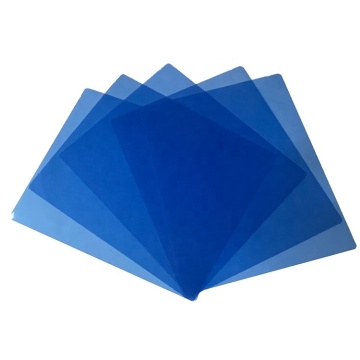
Temperature and Humidity: The Radiology Dry Film should be stored in a controlled environment with a temperature range of 10℃ to 25℃ and a relative humidity between 30% and 65%. It is crucial to keep the Radiology Dry Film away from heat sources to prevent any degradation in quality and functionality.
Gas Environment: The storage area must be free from harmful gases, including acidic and alkaline substances such as hydrogen sulfide, ammonia, sulfur dioxide, and formaldehyde. Exposure to these gases can adversely affect the Radiology Dry Film, leading to irreversible damage and a decline in performance.
Stacking and Handling: The Radiology Dry Film should always be stored upright to avoid pressure-related damage. Proper stacking helps maintain the integrity of the film. During transportation, it is essential that the Radiology Dry Film is shielded from sunlight, rain, strong ultraviolet radiation, and violent vibrations, as these factors can compromise its quality.
By adhering to these guidelines, facilities can ensure the optimal preservation of Radiology Dry Film, facilitating high-quality imaging and effective diagnostic outcomes. Proper storage and handling are vital for maintaining the film’s performance in medical applications.
Gas Environment: The storage area must be free from harmful gases, including acidic and alkaline substances such as hydrogen sulfide, ammonia, sulfur dioxide, and formaldehyde. Exposure to these gases can adversely affect the Radiology Dry Film, leading to irreversible damage and a decline in performance.
Stacking and Handling: The Radiology Dry Film should always be stored upright to avoid pressure-related damage. Proper stacking helps maintain the integrity of the film. During transportation, it is essential that the Radiology Dry Film is shielded from sunlight, rain, strong ultraviolet radiation, and violent vibrations, as these factors can compromise its quality.
By adhering to these guidelines, facilities can ensure the optimal preservation of Radiology Dry Film, facilitating high-quality imaging and effective diagnostic outcomes. Proper storage and handling are vital for maintaining the film’s performance in medical applications.