
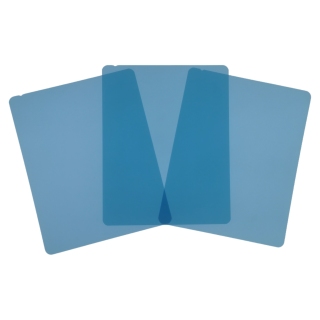
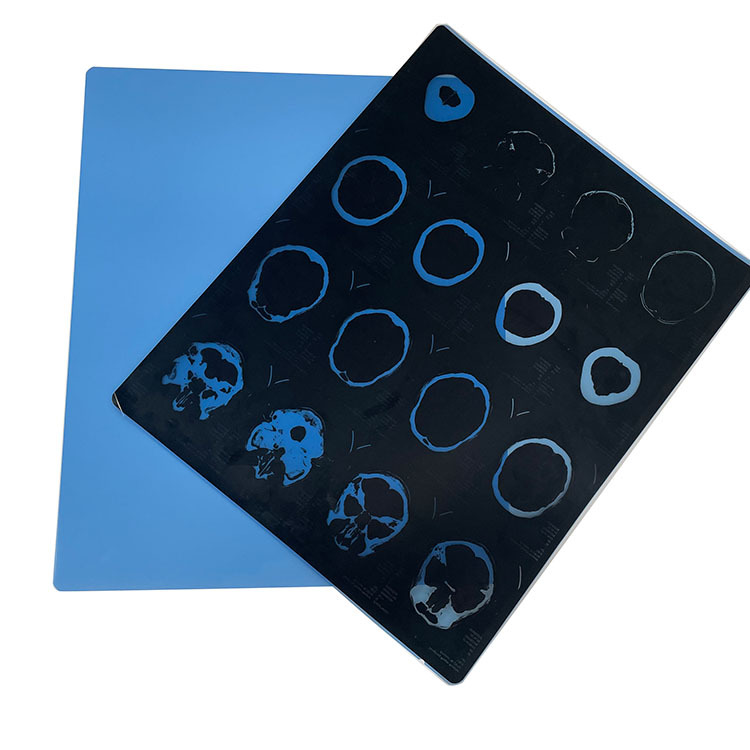
Technology: Medical Thermal Film Integrates with PACS for Enhanced Workflow and Data Backup
Our medical thermal film delivers exceptional clarity for diagnostic imaging, supported by advanced R&D and efficient production. Trusted through partnerships with leading hospitals, consistent sales growth and robust inventory ensure reliable, prompt global supply of this critical imaging film.
Healthcare facilities are increasingly adopting integrated systems that connect diagnostic imaging hardware with Picture Archiving and Communication Systems. This technological convergence allows medical thermal film to function as a reliable hard-copy backup while PACS provides efficient electronic storage and retrieval. Radiology departments implementing such integration report improved operational resilience, ensuring image availability during network outages or cyber incidents. The seamless connection between dry imagers and PACS enables automatic printing of physical copies when specific clinical conditions are met, such as trauma cases or surgical planning requirements. Hospital IT managers note that a hybrid approach creates redundant data protection without adding complexity to radiologist workflows.
The integration architecture typically involves direct communication between dry imager controllers and PACS servers through DICOM Print Management protocols. When a diagnostic study is completed, the system can automatically route selected images to designated dry imagers for hard-copy production based on predefined rules. This automation eliminates manual steps, reducing the risk of lost or mislabeled physical records. For critical care scenarios, clinicians can override automated settings to produce immediate hard copies at the point of care. The integrated platform also tracks usage of medical thermal film, providing administrators with data on consumption patterns and optimization opportunities. Several major PACS vendors now offer native support for physical media printing, recognizing continued clinical demand for tangible outputs.
Workflow enhancements extend beyond redundancy. Radiologists can annotate digital images within PACS, and those annotations can be printed directly onto medical thermal film copies, ensuring critical findings accompany physical records. Similarly, measurement calipers and region-of-interest markers applied in the digital workspace appear on corresponding hard-copy outputs, eliminating the need for manual marking. This feature proves particularly valuable in orthopedic and surgical planning, where precise measurements on physical film guide intervention strategies. The integrated approach also supports batch printing for multi-study patient encounters, such as pre- and post-operative comparisons. Clinicians report that having both digital and tangible annotated images enhances multidisciplinary team discussions.
Data backup capabilities represent a significant advantage of integrating physical media with PACS. While PACS typically employs redundant servers and off-site replication, a catastrophic failure could temporarily disable electronic access. In such scenarios, medical thermal film archives serve as a low-technology fallback requiring no power or network connectivity for viewing. Healthcare facilities maintaining comprehensive physical film libraries alongside digital repositories have demonstrated faster recovery of imaging services after disasters. Regulatory bodies in several jurisdictions now recognize hard-copy records as an acceptable component of medical record retention strategies, provided those records meet archival stability standards. Integrated systems can automatically flag studies lacking corresponding physical backups, prompting corrective action.
Implementation considerations include printer compatibility, network bandwidth, and workflow design. Dry imagers must support DICOM Print classes and communicate reliably with the PACS broker. Most modern medical thermal film printers meet these requirements, but legacy equipment may need upgrades. Network administrators should ensure sufficient bandwidth to handle simultaneous transmission of digital images and print jobs during peak hours. Workflow design must specify which study types automatically generate hard copies and which require manual approval. Facilities that have successfully integrated physical media with PACS recommend starting with high-acuity areas like emergency departments and operating rooms, where immediate access to tangible images is most critical.
Cost implications of integrated workflows are generally favorable compared to maintaining separate systems. Shared infrastructure for image routing, user authentication, and audit logging reduces duplication. The ability to automatically generate medical thermal film only for clinically indicated studies optimizes consumable usage, avoiding waste from unnecessary printing. Integrated systems also simplify billing, as hard-copy production can be logged alongside digital study records. Several healthcare networks have reported reduced physical media consumption by 15-20 percent after implementing rule-based printing through PACS integration, without compromising clinical availability of hard copies. These savings offset investments in integration middleware and staff training.
Vendor partnerships are emerging to deliver pre-integrated solutions. Some dry imager manufacturers now offer turnkey connectivity packages that include interface software, validation testing, and workflow consulting. Conversely, PACS providers are expanding hardware compatibility lists to include a broader range of printers compatible with medical thermal film. These collaborations reduce implementation risk, as integration components have been tested and optimized before deployment. A few large health systems have issued joint procurement tenders requiring both PACS and physical media solutions to demonstrate seamless interoperability. Such policies accelerate adoption of integrated workflows that rely on medical thermal film as a key component.
Security considerations must address both digital and physical media. While PACS data is encrypted and access-controlled, hard-copy records require proper handling and disposal. Integrated workflows should include audit trails linking each medical thermal film print to the requesting user, patient study, and timestamp. This traceability supports compliance with health information privacy regulations. Some advanced systems use watermarking or QR codes printed on physical media that encode the source study identifier, allowing quick digital retrieval even if the hard copy becomes separated from its folder. These security-enhancing features demonstrate how traditional film can serve as a controlled component of the overall imaging governance framework.
Training requirements for integrated workflows are moderate, as most radiologists and technologists already use both systems separately. The key change is understanding automated rules that trigger hard-copy printing and knowing how to override those rules when necessary. Simulation-based training modules have proven effective, allowing staff to practice exception handling without wasting consumables. Superusers from radiology and IT departments should collaborate to develop clear protocols for scenarios such as PACS downtime, where medical thermal film production may need to temporarily operate independently. Regular drills testing integrated failover procedures help maintain readiness.
Future developments include artificial intelligence-driven print management. AI algorithms could analyze study findings and clinical context to predict when medical thermal film copies will be needed, further automating workflow decisions. For example, a chest CT showing a suspicious nodule might automatically trigger hard-copy production for the referring pulmonologist. Conversely, normal screening mammograms might suppress output to save resources. Early research on AI-guided printing suggests potential to reduce unnecessary hard copies by an additional 30 percent while improving satisfaction among clinicians who receive timely physical images. Manufacturers are exploring ways to embed AI capabilities directly into dry imagers designed for medical thermal film.
In conclusion, the integration of medical thermal film with PACS represents a mature technology solution that enhances both workflow efficiency and data backup reliability in diagnostic imaging. By automatically routing selected studies to dry imagers based on clinical rules, integrated systems ensure hard copies are available exactly when and where needed without burdening radiology staff. The complementary roles of digital archives and physical records create a resilient imaging ecosystem that performs well under both routine and contingency conditions. As healthcare facilities continue to modernize imaging infrastructure, maintaining robust integration of traditional media with PACS will remain a best practice. The ongoing clinical demand for medical thermal film in hybrid workflows confirms that physical media and digital systems can coexist productively, each contributing unique value to patient care and data protection.