
Silver-Free Thermal Film Technology Advances: New Organic Materials Replace Traditional Silver Halide
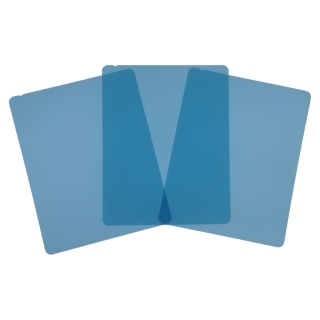
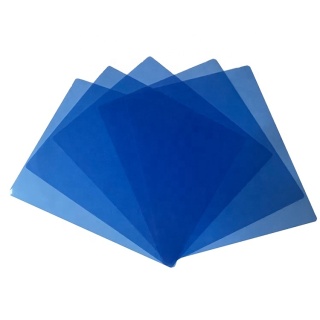
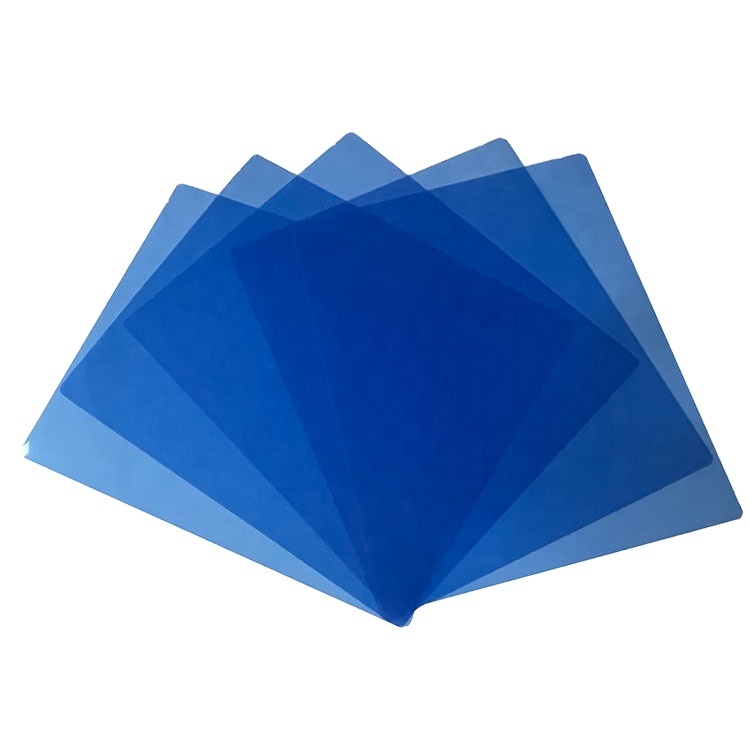
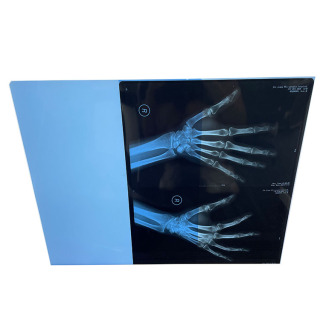
Our medical thermal film delivers exceptional clarity for diagnostic imaging, supported by advanced R&D and efficient production. Trusted through partnerships with leading hospitals, consistent sales growth and robust inventory ensure reliable, prompt global supply of this critical imaging film.
The medical imaging industry is witnessing a transformative advancement with silver-free thermal film technology utilizing novel organic materials. This approach replaces traditional silver halide emulsions with advanced organic compounds, marking a significant evolution in production of diagnostic imaging media. The breakthrough addresses long-standing challenges related to raw material costs, environmental impact, and supply chain volatility. Early adopters report diagnostic image quality comparable to conventional silver-based products, suggesting a viable path toward more sustainable imaging practices where medical thermal dry image film remains essential.
Traditional silver halide-based products have dominated diagnostic imaging for decades, relying on light-sensitive silver crystals. The new silver-free technology employs heat-responsive organic polymers that undergo precise optical changes when exposed to thermal energy from modern dry imagers. This innovative imaging medium leverages engineered molecular structures achieving grayscale accuracy and spatial resolution required for accurate diagnosis. Laboratory testing confirms the new product maintains archival stability and image fidelity comparable to conventional offerings, ensuring medical thermal dry image film continues meeting clinical demands.
Environmental considerations have catalyzed silver-free innovation. Traditional silver-based production requires extensive mining with significant ecological footprints. The new organic formulation eliminates this burden while simplifying disposal. Hospitals increasingly prioritize sustainable procurement, and high-performance silver-free products align with institutional environmental goals. This eco-friendly alternative generates no hazardous waste during production or disposal, positioning medical thermal dry image film as a responsible choice for modern healthcare facilities.
Economic advantages strengthen the silver-free value proposition. Silver prices have experienced significant volatility, creating budgeting challenges for facilities dependent on traditional products. The new organic imaging medium insulates buyers from market fluctuations, offering greater price stability. Manufacturing costs for silver-free alternatives are projected to decrease as production scales increase and organic synthesis becomes more efficient, potentially reducing overall diagnostic imaging expenses for hospitals relying on medical thermal dry image film.
Technical performance has undergone extensive validation across clinical applications. Radiologists report exceptional image clarity with grayscale depth matching conventional standards. The organic product demonstrates consistent performance across computed tomography, magnetic resonance imaging, and digital radiography. Stability testing confirms the silver-free medium maintains image integrity under normal storage conditions, ensuring diagnostic reliability for medical thermal dry image film in daily practice.
Compatibility has been central to development. The new silver-free product works seamlessly with existing dry imagers from major manufacturers. This backward compatibility ensures healthcare providers can transition without costly equipment upgrades. Testing across multiple printer platforms confirms consistent optical density, allowing adoption as part of normal inventory rotation for facilities using medical thermal dry image film.
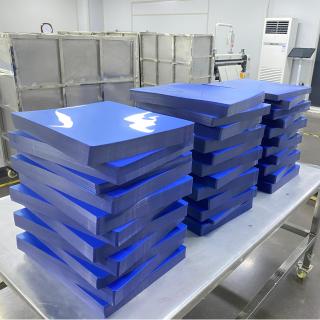
Manufacturing scalability has progressed rapidly. Production facilities have been retooled for organic coating processes, with capacity expanding to meet anticipated demand. Quality control protocols ensure batch-to-batch consistency matching medical product reliability standards. Supply chain diversification for organic raw materials strengthens manufacturing resilience for companies supplying medical thermal dry image film to global markets.
Clinical feedback has been positive. Radiologists appreciate familiar handling characteristics, noting no adjustment period required for accurate interpretation. Technologists report the product feeds smoothly with no workflow disruption. Hospital procurement values price stability and sustainability profile, reinforcing confidence in medical thermal dry image film as a dependable diagnostic tool.
Research continues into enhancing organic-based imaging media. Next-generation formulations aim for higher resolution in mammography and dental imaging. Scientists are exploring organic compound combinations that might improve image stability or enable faster processing. This innovation platform ensures medical thermal dry image film will continue evolving to meet emerging clinical requirements.
Regulatory approvals have been secured in multiple major markets. National Medical Products Administration approval in China, CE marking in Europe, and FDA clearance validate safety and efficacy. These milestones confirm the product meets all applicable standards for diagnostic imaging media, giving healthcare providers confidence in specifying medical thermal dry image film for clinical use.
Market adoption is accelerating. Major hospital systems have incorporated silver-free products into standard procurement contracts. Group purchasing organizations are adding the alternative to catalogs, facilitating access for smaller facilities. Export markets show particular interest in cost-stable imaging media as they expand diagnostic capacity with medical thermal dry image film.
Environmental impact reduction is measurable. Lifecycle assessments demonstrate significant reductions in carbon footprint and water usage. Each square meter eliminates approximately twenty grams of silver that would otherwise require mining. Healthcare institutions increasingly feature adoption of sustainable alternatives in reporting, highlighting responsible choices like medical thermal dry image film.
In conclusion, silver-free thermal film technology using organic materials represents a significant milestone. This innovative imaging medium addresses the challenge of maintaining clinical performance while improving environmental sustainability and economic predictability. Through rigorous development, comprehensive validation, and seamless compatibility with existing equipment, silver-free alternatives have demonstrated readiness for widespread adoption. As healthcare systems balance quality, cost, and environmental responsibility, this organic-based technology ensures medical thermal dry image film remains a compelling solution for modern diagnostic medicine while charting a more sustainable path forward for the entire imaging sector.