


Policy: Hospitals Issue New Thermal Film Procurement Bids with Cloud Imaging Service Requirements
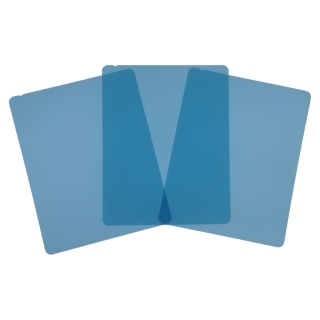
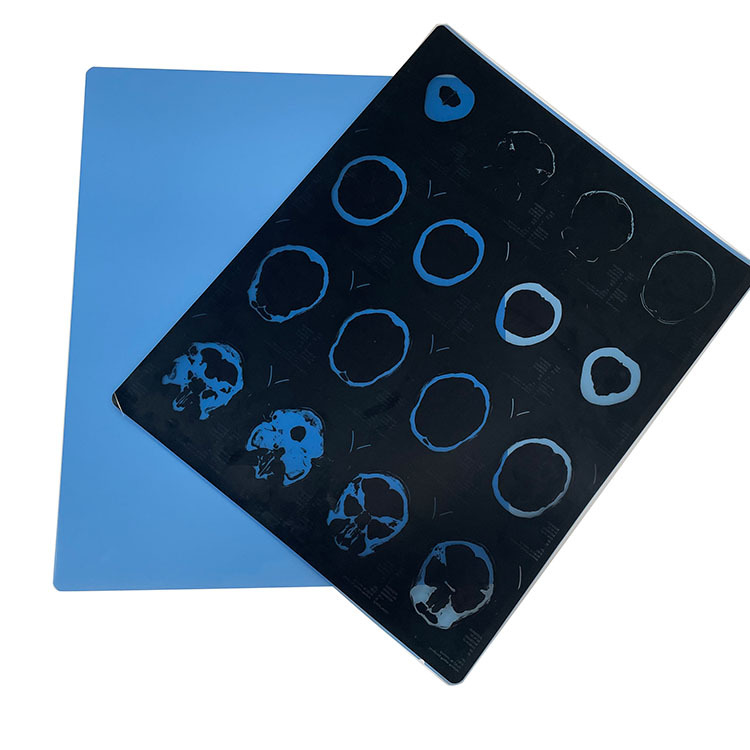
Our medical thermal film delivers exceptional clarity for diagnostic imaging, supported by advanced R&D and efficient production. Trusted through partnerships with leading hospitals, consistent sales growth and robust inventory ensure reliable, prompt global supply of this critical imaging film.
Several major hospital groups have issued new procurement bids for diagnostic imaging consumables that include both traditional hard-copy media and cloud imaging service requirements. This policy shift reflects the evolving hybrid nature of modern radiology departments, where medical thermal film continues serving essential clinical functions alongside digital archiving solutions. The new tender documents specify that successful bidders must supply high-quality imaging media while also providing compatible cloud-based image storage platforms. Procurement officials note this integrated approach recognizes the complementary relationship between physical diagnostic film and digital infrastructure, ensuring healthcare facilities maintain both tangible records and accessible electronic archives. Hospitals issuing these bids expect the combination to optimize workflow efficiency while preserving the unique advantages of medical thermal film for surgical planning, patient consultations, and legal documentation.
The cloud imaging service component requires vendors to offer secure platforms for storing and sharing diagnostic images generated alongside physical film outputs. Under the new policy, suppliers must demonstrate capability to integrate traditional printing workflows with digital storage systems. This integration allows radiologists to produce hard copies when clinically indicated while automatically archiving corresponding digital files. The dual requirement acknowledges that despite digital advances, traditional film remains irreplaceable for specific scenarios such as multi-disciplinary meetings, bedside consultations, and referrals to facilities without full PACS access. Hospitals implementing this policy report that combining medical thermal film with cloud services reduces redundant imaging and improves care coordination.
Technical specifications mandate that medical thermal film products meet rigorous quality standards for image resolution and archival stability. Simultaneously, the cloud service component requires end-to-end encryption and integration with existing hospital systems. Vendors must provide imaging media compatible with major dry imager brands while offering cloud platforms supporting DICOM standards. This dual requirement creates opportunities for manufacturers delivering both high-performance medical thermal film and robust digital solutions. Procurement documents indicate preference for suppliers with proven experience in both domains, reflecting growing convergence of physical and digital imaging media.
Market analysts interpret these new bid requirements as a strategic response to limitations of purely digital workflows. While cloud imaging offers convenience, traditional diagnostic film provides permanent, technology-independent records accessible during network outages. Hospitals adopting this model report physicians still request hard copies for approximately 15-20 percent of diagnostic studies, particularly in surgical planning and trauma care. The cloud component ensures digital images remain available across the enterprise. This balanced approach leverages strengths of each medium while mitigating their respective weaknesses, with medical thermal film continuing to play a vital role.
The new procurement policy has implications for traditional film manufacturers and cloud service providers alike. Suppliers must now develop or partner with cloud platform vendors. Several major producers have responded by forming strategic alliances with health IT firms. Industry observers note this policy accelerates consolidation trends, favoring larger players capable of delivering comprehensive solutions. Smaller medical thermal film manufacturers may need technology partnerships to remain competitive in this evolving landscape.
Pricing models for these integrated bids differ from traditional purchasing arrangements. Rather than paying per-sheet for consumables plus separate subscription fees, hospitals are negotiating bundled contracts that combine physical media and digital services. These agreements often include fixed monthly fees for cloud platform access plus volume-based pricing for diagnostic film sheets. Hospital financial officers appreciate predictable bundled pricing, while radiology managers value having both options available without separate procurement processes. The continued inclusion of medical thermal film in these bundles underscores its enduring clinical utility.
Regional health authorities are considering similar policies for their centralized purchasing frameworks. The Beijing-Tianjin-Hebei region, which recently completed a major imaging media procurement, is evaluating amendments to include cloud service components. Early adopting hospitals report improved radiologist satisfaction, as clinicians can easily produce hard copies when needed while maintaining comprehensive digital archives. Referring physicians appreciate cloud portal access, reducing reliance on physical copies for off-site consultations. Patients also benefit, receiving hard copies while knowing digital backups are securely stored. Medical thermal film remains central to this hybrid model.
Implementation challenges include ensuring cloud providers meet data sovereignty regulations and integrating platforms with existing systems. Bid documents increasingly require proof of successful prior integrations. Some hospitals conduct pilot programs where vendors must demonstrate seamless workflows before full contract award. These validation steps help mitigate risks associated with combining physical and digital imaging solutions, ensuring that medical thermal film and cloud services function reliably together.
Environmental considerations also feature in new bid policies. Hospitals prefer diagnostic film with silver-free formulations while expecting cloud services to minimize unnecessary printing. Some bids include incentives for analytics identifying opportunities to replace hard-copy usage with digital viewing without compromising care. Over time, this approach helps optimize consumption, reducing costs and environmental footprint while maintaining access to physical copies for necessary indications. Manufacturers of medical thermal film are responding with greener product lines.
Vendor responses have been swift, with several imaging media manufacturers announcing enhanced cloud service offerings. One major producer recently launched a hybrid solution pairing its film line with a white-label cloud archiving platform. Another manufacturer integrated printing software with popular cloud storage APIs, enabling one-click archiving of printed studies. These developments demonstrate that traditional film suppliers recognize the strategic importance of cloud compatibility, ensuring medical thermal film remains relevant in digital health ecosystems.
Looking forward, this policy is expected to become standard practice across more healthcare systems. The dichotomy between physical film and electronic records is giving way to hybrid models where traditional media and cloud platforms serve complementary roles. Hospitals adopting this integrated approach report improved clinician satisfaction, better resource utilization, and enhanced disaster recovery capabilities. Continued demand for medical thermal film in these hybrid workflows ensures stable markets for quality-focused manufacturers.
In conclusion, the new policy of issuing procurement bids with cloud imaging service requirements reflects diagnostic imaging's evolution into hybrid physical-digital ecosystems. By requiring suppliers to deliver both high-quality medical thermal film and secure cloud archiving, hospitals ensure clinicians have access to tangible images when needed while maintaining comprehensive digital records. This integrated approach preserves the unique clinical value of traditional film—durability, portability, network independence—while adding cloud accessibility. As more systems adopt similar policies, collaboration between film manufacturers and cloud providers will create more resilient, flexible diagnostic workflows serving patients and clinicians alike.