
Medical Thermal Film Market Heats Up: Global Demand Projected to Reach $7.2 Billion in 2026
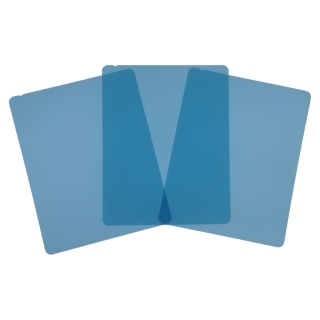
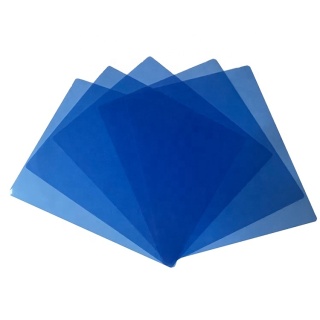
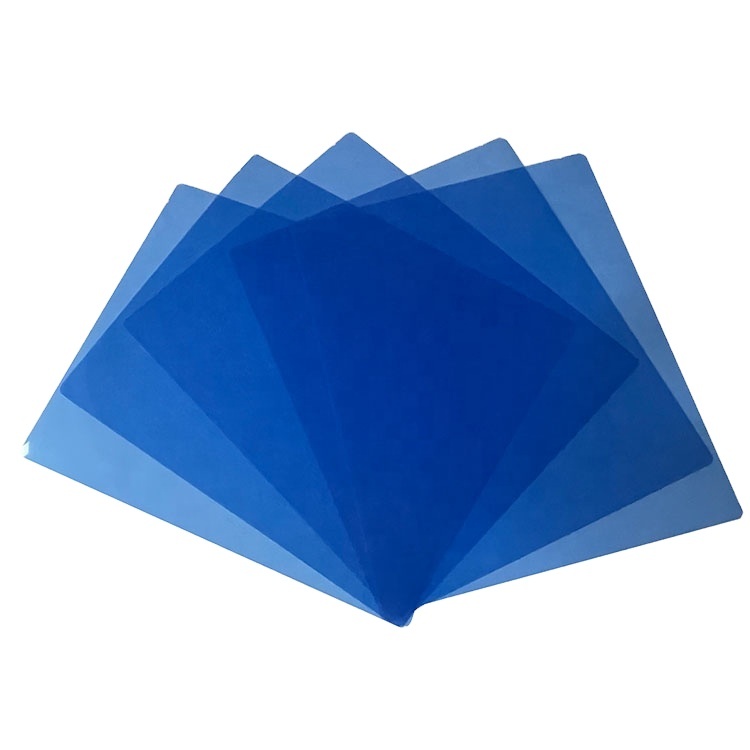
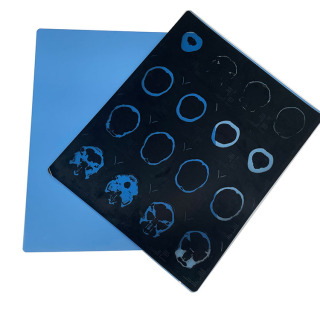
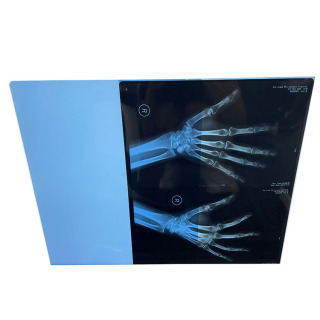
Our medical thermal film delivers exceptional clarity for diagnostic imaging, supported by advanced R&D and efficient production. Trusted through partnerships with leading hospitals, consistent sales growth and robust inventory ensure reliable, prompt global supply of this critical imaging film.
The global market for diagnostic imaging consumables is expanding rapidly, with new data projecting worldwide demand for medical thermal dry image film to reach approximately $7.2 billion by the end of 2026. This forecast, representing strong year-on-year growth, underscores the continued importance of medical ilm in contemporary medical practice. The sustained momentum reflects the imaging medium's unique role at the intersection of technological innovation, clinical necessity, and environmental sustainability, ensuring medical thermal dry image film remains a cornerstone product for healthcare facilities globally.
Several key drivers fuel this market trajectory for medical thermal dry image film. The accelerating global adoption of digital imaging technologies paradoxically amplifies demand for reliable hard-copy output. Modern digital radiography, CT, MRI, and ultrasound systems generate vast diagnostic data requiring tangible representation for specific clinical scenarios. Medical thermal film perfectly complements these advanced modalities by producing crisp, durable images essential for multidisciplinary consultations, surgical planning, and patient communication. This complementary relationship between digital acquisition and physical output ensures medical film maintains essential functionality within sophisticated diagnostic workflows.
Technological innovation continuously enhances the performance of medical thermal dry image film, strengthening its market position. Manufacturers invest substantially in research to improve image resolution, archival stability, and equipment compatibility. Contemporary medical film delivers exceptional diagnostic clarity with precise grayscale reproduction, meeting the exacting standards of radiologists and specialists across cardiology, orthopedics, oncology, and emergency medicine. These refinements ensure medical thermal film keeps pace with evolving clinical demands and remains compatible with next-generation dry imagers.
Environmental sustainability has become a significant catalyst for medical thermal dry image film adoption worldwide. Unlike traditional wet-process films requiring chemical developers, medical film uses heat-sensitive materials that eliminate toxic chemical processing entirely. This eco-friendly characteristic resonates with healthcare institutions pursuing aggressive environmental goals. Hospitals increasingly prioritize medical film as part of sustainability strategies, recognizing its ability to reduce hazardous waste while maintaining uncompromising diagnostic standards. Regulatory bodies in major markets favor chemical-free imaging solutions, accelerating the shift toward medical thermal dry image film.
Regional analysis reveals distinct growth patterns for medical thermal film. North America leads global consumption with approximately 38 percent market share, reflecting advanced healthcare infrastructure and early technology adoption. Europe follows with 29 percent, driven by stringent regulatory frameworks emphasizing safety and environmental compliance that medical thermal dry image film consistently satisfies. Both mature regions demonstrate steady replacement demand as healthcare facilities upgrade equipment.
The Asia-Pacific region emerges as the most dynamic growth engine for medical thermal film, with projected compound annual growth rates reaching 15.2 percent through 2031. Rapid urbanization, substantial government healthcare investments in China and India, and proliferating medical facilities adopting digital imaging drive this expansion. The affordability and operational simplicity of medical thermal dry image film make it particularly suitable for emerging markets where cost-effectiveness balanced with clinical reliability remains paramount.
Clinical application diversity further reinforces the market position of medical thermal dry image film. Radiology departments are primary end-users, employing medical film for hard copies of X-rays, CT scans, and MRI studies. Cardiology practices use medical film for echocardiograms and angiographic records. Obstetric units provide expecting parents with ultrasound images on durable medical thermal film. Surgical teams rely on medical thermal dry image film in operating rooms where sterile environments and immediate image reference are essential. This breadth ensures diversified demand across the healthcare spectrum.
Integration with picture archiving and communication systems sustains medical thermal dry image film relevance in digital environments. Modern PACS enable electronic storage and sharing, yet medical film serves as a reliable hard-copy backup, enhancing workflow resilience. Clinicians can access both digital and physical copies, reducing data loss risks and improving interdisciplinary communication. Seamless compatibility with contemporary PACS ensures operational continuity regardless of temporary digital interruptions.
Quality and safety standards governing medical thermal dry image film production remain rigorous. Regulatory authorities like the FDA and European Medicines Agency have established guidelines ensuring medical thermal film meets high performance and safety benchmarks. Manufacturers conduct extensive testing verifying image quality and durability, giving healthcare providers complete confidence. These stringent requirements create barriers to entry for unqualified producers while reinforcing the position of established medical thermal dry image film manufacturers.
Looking forward, the medical thermal dry image film market exhibits strong fundamentals. Demographic trends including aging populations and rising chronic disease prevalence will sustain imaging volumes, maintaining medical film consumption. Technological innovations will yield next-generation products with enhanced sensitivity and improved environmental profiles. Emerging market infrastructure development will create new healthcare facilities requiring reliable imaging consumables, expanding the addressable market for medical thermal dry image film.
Challenges include competition from purely digital display solutions, but the unique advantages of medical thermal dry image film—durability, portability, universal accessibility independent of computer systems, and legacy equipment compatibility—ensure essential functionality. Growing emphasis on healthcare disaster preparedness increases demand for physical medical record backups, further supporting medical thermal dry image film relevance.
In conclusion, the projected $7.2 billion global market for medical film in 2026 validates the product's enduring clinical value. Through continuous innovation, demonstrated environmental benefits, unwavering quality, and seamless integration with digital ecosystems, medical thermal dry image film has secured its position as an essential component of modern diagnostic medicine, supporting accurate diagnoses and optimal patient care worldwide.