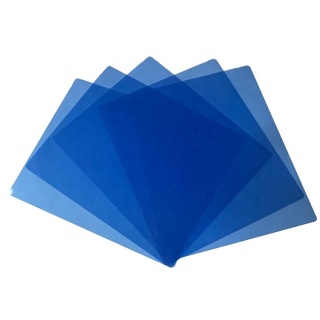
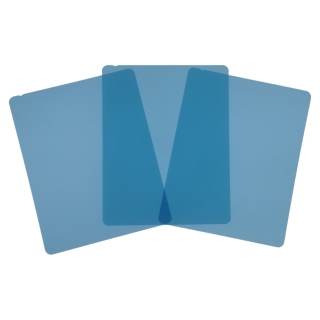
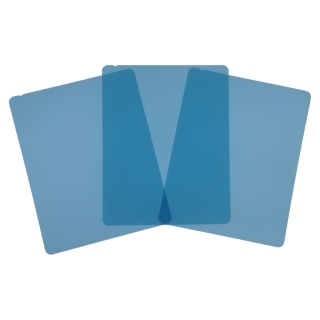
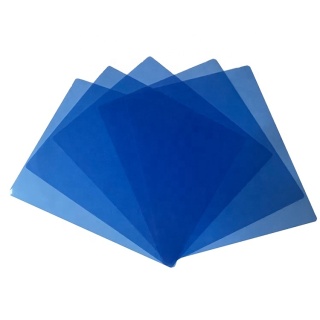
Product name:Medical thermal dry image film
Model:RM-HL ,RM-HA1
This film is applicable to the thermalprintout of medical images stored in digitallform after computer processing.
Operating environment
The best use environment is 18 °C -24 °C and 50-65% relative humidity.
Storage conditions
It shall be stored in a dry, cool and dust-freeroom in the original packaging to prevent directsunlight and acid and alkali gases.The details are as follows:
1. The temperature is 10 °C 25 °C, and therelative humidity is 30-65%. Store away fromheat sources.
2. The storage room shall be free of acid andalkali gases such as hydrogen sulfide, ammonia,sulfur dioxide and formaldehyde
3. It should be stored vertically to avoidadverse effects caused by pressure.
Specification packaging
Sizes | Package |
inch | cm | sheets/box | boxes/Carton |
8*10 | 20*25 | 100 | 5 |
10*12 | 25*30 | 100 | 5 |
11*14 | 28*35 | 100 | 5 |
14*17 | 35*43 | 100 | 5 |
Product validity
This product is valid for 24 months.
Usage Method:
1. Open the package
2. Put the films together with white paper card or white paper box into the tray of the thermal printer.
3. Print the film calibration page
4. Print the image for doctor
Note: When using the waste printer andfilm produced by this product for disposal,please follow the requirements of local lawsand regulations.
Advantages of Thermal Film
Thermal film is a widely used imaging medium in healthcare, logistics, office administration and many other industries, renowned for its superior performance, operational efficiency and environmental friendliness that make it a preferred alternative to traditional silver halide film and inkjet printing media. Its core advantages are reflected in multiple practical aspects, bringing significant convenience and value to various application scenarios.
Firstly, it delivers high-resolution and clear imaging. Coated with a special heat-sensitive layer, the film reacts precisely to the temperature changes of the thermal print head, reproducing fine details with sharp and distinct effects. In medical imaging, this advantage is crucial: it can clearly display subtle pathological features of human tissues and organs, providing reliable visual support for doctors’ diagnosis. For office documents and logistics labels, it ensures sharp fonts and clear barcodes without blurring caused by ink smudges or toner particles, avoiding reading errors.
Secondly, thermal film features hassle-free operation with no consumables. Unlike inkjet or laser printing that relies on ink, toner or developing agents, it only requires the thermal print head to heat the film surface for direct imaging. This not only simplifies the printing process and improves work efficiency—especially suitable for fast-paced scenarios such as hospital radiology departments and logistics sorting centers—but also reduces equipment maintenance needs. There is no need to replace ink cartridges or clean toner components, minimizing downtime caused by equipment failure.
Thirdly, it excels in environmental protection. The entire production and use process of thermal film involves no chemical developing agents, ink residues or other harmful substances, thus reducing the discharge of toxic and hazardous waste. Most thermal film materials are recyclable, and the printing equipment consumes low energy, which aligns with the concept of green and low-carbon development. For enterprises and institutions, it helps reduce their environmental footprint while complying with modern environmental protection regulations.
Fourthly, high-quality thermal film has excellent storage stability after special coating treatment. It is resistant to light, heat and moisture, and the printed images and text will not fade or blur under normal storage conditions (room temperature and dry environment). This meets the long-term retention requirements of important documents such as medical records, logistics bills and official archives, ensuring the integrity and readability of information over time.
Finally, it brings outstanding cost-effectiveness. By eliminating the need to purchase, store and replace consumables like ink and toner, it cuts down long-term operational costs significantly. The thermal printing equipment is compact in structure and low in energy consumption, and thermal film is available in a variety of sizes to fit different thermal printers, featuring strong versatility and reducing the cost of equipment matching.
In summary, thermal film integrates high imaging quality, operational convenience, environmental friendliness, stable storage and economic efficiency. These comprehensive advantages make it an efficient and practical imaging solution, and its application scope is still expanding with the continuous upgrade of heat-sensitive material technology.