


China's Medical Film Market: Annual Consumption Hits 650 Million Sheets, Valued at Nearly RMB 6 Billion
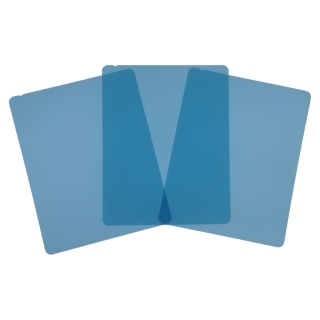
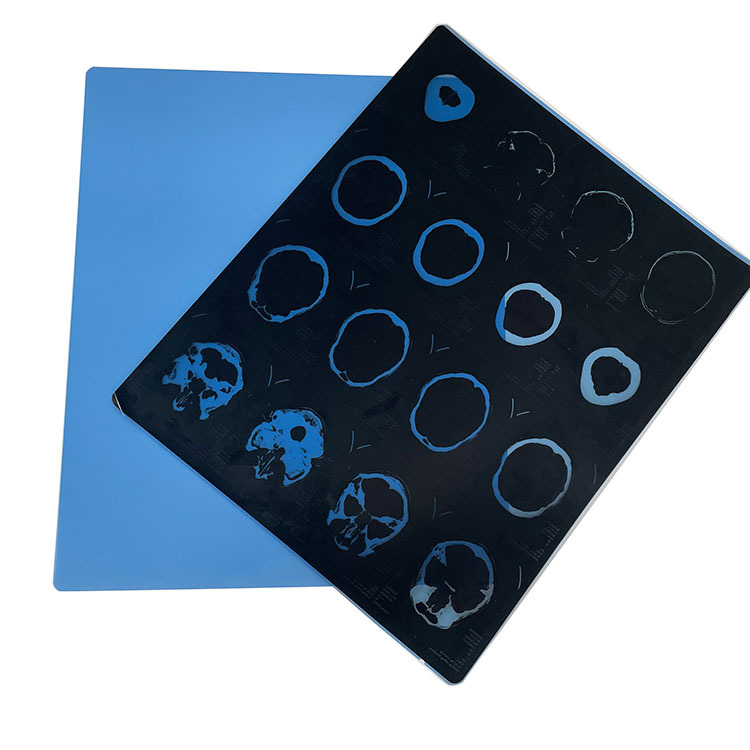
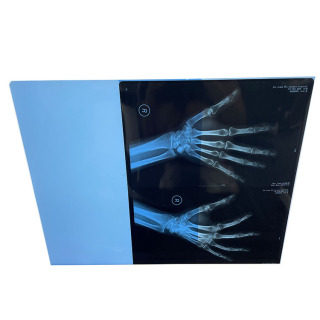
Our medical thermal film delivers exceptional clarity for diagnostic imaging, supported by advanced R&D and efficient production. Trusted through partnerships with leading hospitals, consistent sales growth and robust inventory ensure reliable, prompt global supply of this critical imaging film.
China's medical imaging sector has reached a significant milestone, with annual consumption of diagnostic film products totaling approximately 650 million sheets, representing a market value approaching RMB 6 billion. This substantial volume confirms the enduring importance of medical thermal dry image film within the nation's healthcare operations, serving millions of patients across hospitals and diagnostic centers nationwide. Sustained demand for medical thermal dry image film reflects continued investment in healthcare infrastructure and the essential role physical imaging media plays in clinical workflows. Industry analysts note robust consumption positions China as both the largest producer and consumer of diagnostic imaging media globally.
Several fundamental drivers underpin this remarkable consumption volume. The nation's aging population, combined with rising chronic disease prevalence, has generated unprecedented demand for diagnostic imaging services. Medical imaging scans increased substantially between 2016 and 2021, with projections indicating continued expansion through 2030. Each imaging procedure may require hard-copy documentation for patient records, referrals, or legal purposes. Reliable medical thermal dry image film serves as a permanent physical record complementing digital archives, providing clinicians tangible images essential for surgical planning, multidisciplinary discussions, and patient communication.
Healthcare system modernization has paradoxically strengthened rather than diminished demand. As hospitals upgrade from analog X-ray to advanced digital modalities including computed tomography, magnetic resonance imaging, and digital radiography, need for high-quality output media has intensified. Modern digital equipment generates substantially more diagnostic data requiring physical representation for specific clinical scenarios. High-quality medical thermal dry image film delivers exceptional image clarity, grayscale precision, and archival stability modern radiology demands. Compatibility with contemporary dry imagers ensures seamless integration into digital workflows, maintaining essential functionality within China's increasingly sophisticated diagnostic ecosystem.
Regional analysis reveals significant consumption patterns across China's diverse territories. Eastern coastal provinces account for highest concentration of usage, reflecting advanced healthcare infrastructure and higher medical service volumes. Major metropolitan areas demonstrate particularly intensive consumption, driven by leading tertiary hospitals serving large patient populations. Central and western regions are experiencing accelerated growth as government initiatives expand healthcare access and modernize facilities, creating new demand centers for diagnostic imaging media.
Competitive landscape features international leaders and domestic manufacturers. Global players maintain significant presence leveraging technological expertise. Domestic manufacturers have strengthened positions through competitive pricing, localized distribution networks, and products tailored to domestic requirements. This environment benefits providers through diverse options across quality tiers, ensuring hospitals of all sizes can access appropriate imaging media while maintaining diagnostic standards.
Government procurement policies have significantly influenced market dynamics. National Centralized Procurement program has applied downward pressure on pricing while maintaining quality standards. Industry data indicates while aggregate consumption continues growing, average selling prices have moderated, contributing to current valuation of approximately RMB 6 billion despite substantial volume. This environment challenges manufacturers to optimize production efficiency while maintaining consistent quality essential for accurate medical diagnosis.
Clinical application diversity reinforces sustained demand. Radiology departments represent primary consumers, utilizing imaging media for producing hard copies requiring physical documentation. Cardiology practices employ medical thermal dry image film for echocardiogram prints and angiographic records essential for procedural planning. Obstetric units provide expecting parents with ultrasound images on durable media as lasting keepsakes. Surgical teams rely on physical imaging in operating rooms where sterile environments and immediate reference are essential.
Technological evolution continues to enhance performance. Modern formulations deliver superior image resolution, improved grayscale rendering, and enhanced archival stability. Manufacturers have invested in research focused on reducing environmental impact through elimination of silver halide components. These innovations align with broader healthcare sustainability goals while maintaining diagnostic precision medical professionals require.
Relationship between consumption and digital health infrastructure reflects a complementary dynamic. Picture Archiving and Communication Systems enable efficient electronic storage, yet physical media serves as essential backup providing redundancy against data loss. Physical imaging also facilitates sharing between facilities without compatible digital systems, supporting patient referrals and collaborative care. This hybrid model ensures essential functionality within advancing healthcare infrastructure.
Government regulatory oversight ensures quality and safety. National Medical Products Administration maintains comprehensive registration requirements mandating rigorous testing. Manufacturers must demonstrate compliance with technical standards governing image quality and durability before receiving market authorization. These frameworks protect patient safety while reinforcing position of established manufacturers.
Looking forward, Chinese market exhibits strong fundamentals supporting continued consumption. Demographic trends including population aging will sustain healthcare service demand. Healthy China 2030 initiative will drive further expansion of diagnostic imaging capacity, creating additional demand for medical thermal dry image film. Technological innovations will yield next-generation products with enhanced performance and improved environmental profiles.
Challenges include competition from cloud-based platforms, yet unique advantages of physical imaging media—durability, portability, universal accessibility, and surgical suitability—ensure essential functionality. Growing emphasis on healthcare data security has increased institutional demand for physical backups, further supporting relevance. These factors suggest medical thermal dry image film will remain a vital healthcare consumable.
In conclusion, China's annual consumption of 650 million sheets of medical thermal dry image film, valued at nearly RMB 6 billion, represents powerful validation of enduring clinical value. Through continuous innovation, demonstrated compatibility with digital ecosystems, and unwavering commitment to quality, medical thermal dry image film has secured an essential position in modern Chinese medicine. As healthcare system continues expansion, medical thermal dry image film will continue delivering clear, reliable diagnostic images supporting accurate patient care across China's vast population.