






Asia-Pacific Emerges as Fastest-Growing Medical Thermal Film Market with 15.2% CAGR Projected Through 2031
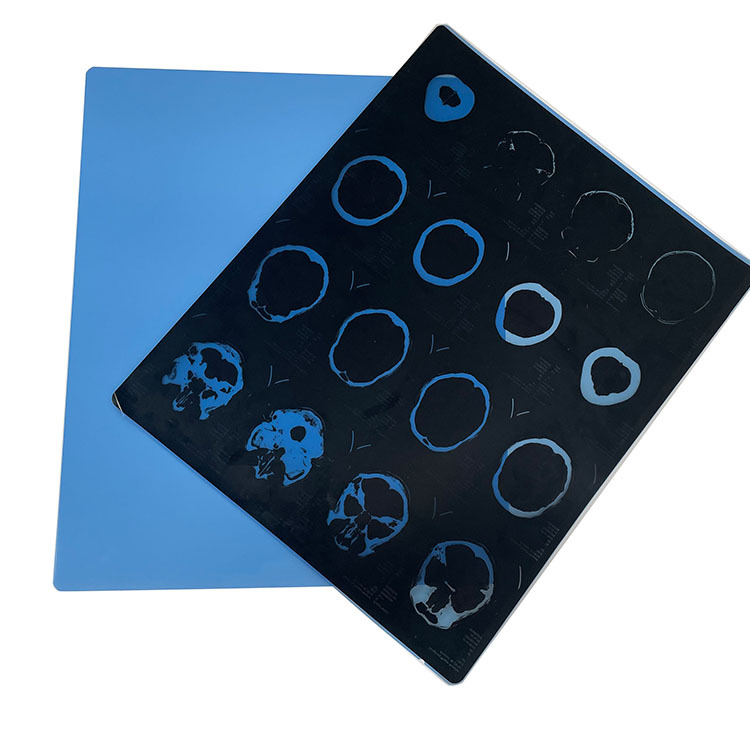
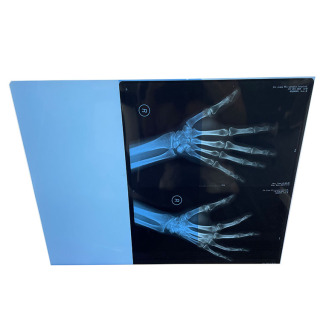
Our medical thermal film delivers exceptional clarity for diagnostic imaging, supported by advanced R&D and efficient production. Trusted through partnerships with leading hospitals, consistent sales growth and robust inventory ensure reliable, prompt global supply of this critical imaging film.
The Asia-Pacific region has solidified its position as the fastest-growing market for diagnostic imaging consumables, with industry analysts projecting a compound annual growth rate of 15.2 percent for medical thermal dry image film through 2031. This remarkable growth reflects unprecedented healthcare infrastructure development, rising medical imaging volumes, and increasing adoption of digital technologies that complement physical imaging media. Market researchers attribute the strong performance across Asia-Pacific to rapid urbanization, government healthcare investments, and expanding middle-class populations seeking quality medical services. The sustained demand positions the region as the primary engine of global market expansion for this essential diagnostic medium.
China stands as the dominant force within the Asia-Pacific market, accounting for approximately 45 percent of regional consumption of medical thermal dry image film. The nation‘s annual consumption of 650 million sheets of this imaging medium, valued at nearly RMB 6 billion, demonstrates the scale of demand from Chinese healthcare facilities. Government initiatives such as Healthy China 2030 continue driving diagnostic imaging capacity expansion. Beyond China, India represents the second-largest and fastest-growing national market for medical thermal dry image film, with projected annual growth exceeding 18 percent. The Indian government‘s Ayushman Bharat program creates substantial new demand for reliable imaging media.
Southeast Asian nations, including Indonesia, Vietnam, Thailand, and the Philippines, are experiencing accelerated adoption of medical thermal dry image film as healthcare systems modernize. These countries are transitioning from traditional analog radiography to digital imaging modalities, which paradoxically increases rather than decreases demand for high-quality output media. Hospital networks across Southeast Asia are equipping new radiology departments with dry imagers specifically designed for this product, recognizing its advantages in durability, portability, and independence from digital network reliability. The tropical climate further enhances the value proposition of physical medical thermal dry image film as a redundant backup and sharing medium.
Japan and South Korea, while more mature markets, continue demonstrating steady demand for medical thermal dry image film driven by replacement cycles and technological upgrades. Japanese healthcare facilities, known for advanced digital infrastructure, still consume substantial volumes for surgical planning, patient consultation, and legal documentation. Aging populations in both countries generate consistently high imaging volumes, sustaining baseline consumption. South Korean manufacturers have emerged as significant producers, contributing to regional supply chains and export markets across Asia.
Several factors differentiate Asia-Pacific from other regions in terms of market growth dynamics. Private healthcare sector expansion, particularly in India and Southeast Asia, has created new hospital networks with standardized imaging protocols including hard-copy output. Medical tourism destinations have invested heavily in diagnostic capabilities, including reliable imaging media for international patient records. Additionally, mobile medical imaging units serving remote populations across vast geographies drive demand for portable, chemical-free medical thermal dry image film requiring no darkroom or wet processing facilities.
Government policies across Asia-Pacific have increasingly favored centralized procurement of medical consumables, including medical thermal dry image film, to control costs and ensure quality standards. China‘s Beijing-Tianjin-Hebei centralized procurement, awarding contracts to 95 companies for 2,466 specifications, exemplifies this trend. Similar frameworks are emerging in India‘s state-level tenders and ASEAN regional health initiatives. These mechanisms create large, predictable demand volumes, enabling manufacturers to optimize production and logistics while maintaining quality benchmarks.
Technological advancements specific to the Asia-Pacific market include silver-free and reduced-silver formulations addressing environmental concerns and cost pressures. Chinese manufacturers have made progress in organic-based technology, achieving performance comparable to traditional silver halide products at lower production costs. These innovations make medical thermal dry image film more accessible to price-sensitive healthcare facilities across emerging Asian economies. Local production capabilities reduce dependence on imported raw materials, strengthening supply chain resilience throughout the region.
The competitive landscape features global leaders and strong domestic players. International manufacturers including FUJIFILM, AGFA, and Carestream Health maintain significant market share. Domestic producers such as China Lucky Film Corporation, JUDcare, and Huqiu Imaging have gained ground through competitive pricing and localized distribution. Several Indian and Southeast Asian manufacturers are entering the market, further diversifying supply sources and intensifying price competition that benefits healthcare providers.
Distribution channels for medical thermal dry image film across Asia-Pacific have evolved to meet diverse healthcare settings. Major manufacturers have established regional distribution hubs in Shanghai, Mumbai, and Bangkok to ensure rapid delivery. Technical support networks, including installation assistance and quality troubleshooting for users, have expanded alongside distribution capabilities, ensuring that even remote facilities can effectively utilize the product.
Challenges to market growth include competition from fully digital workflows and cloud-based sharing platforms. Some urban hospitals have reduced physical film consumption in favor of electronic viewing. However, the unique advantages of medical thermal dry image film—durability, portability, network independence, and surgical suitability—continue to sustain demand. Regulatory requirements in many Asia-Pacific countries mandate physical record-keeping for medical imaging, ensuring baseline consumption regardless of digital adoption rates.
Environmental sustainability has emerged as an important differentiator. Healthcare facilities increasingly prefer silver-free formulations generating less hazardous waste. Manufacturers demonstrating lower carbon footprints gain competitive advantages. Several governments have incorporated environmental criteria into procurement guidelines, favoring products with verified eco-friendly characteristics. This trend aligns with broader regional sustainability initiatives.
The projected 15.2 percent CAGR through 2031 represents the fastest growth among all global regions. This growth is underpinned by population aging, rising chronic disease prevalence, and expanding healthcare access across emerging economies. The Asia-Pacific market is expected to approach or surpass North American market size by the end of the forecast period, shifting the geographic center of gravity for the global diagnostic imaging media industry.
Investment in R&D tailored to Asia-Pacific clinical needs continues to accelerate. Product innovations include medical thermal dry image film optimized for high-temperature and high-humidity storage conditions common in tropical Southeast Asia. Some manufacturers are developing variants with antimicrobial surface treatments for surgical settings. These region-specific innovations demonstrate commitment to serving unique requirements of Asia-Pacific healthcare providers.
In conclusion, the Asia-Pacific region‘s status as the fastest-growing market, with a projected 15.2 percent CAGR through 2031, reflects fundamental healthcare transformation across the world‘s most populous region. Sustained infrastructure investment, rising imaging volumes, supportive policies, and continuous innovation all contribute to robust demand for medical thermal dry image film. While digital competition exists, the unique clinical value of physical imaging media ensures this product remains essential. As Asia-Pacific continues its healthcare modernization, the region will drive global growth, offering substantial opportunities for manufacturers and providers committed to delivering high-quality diagnostic imaging services.