


95 Companies Win Bids in Beijing-Tianjin-Hebei Medical Film Centralized Procurement, Covering 2,466 Specifications
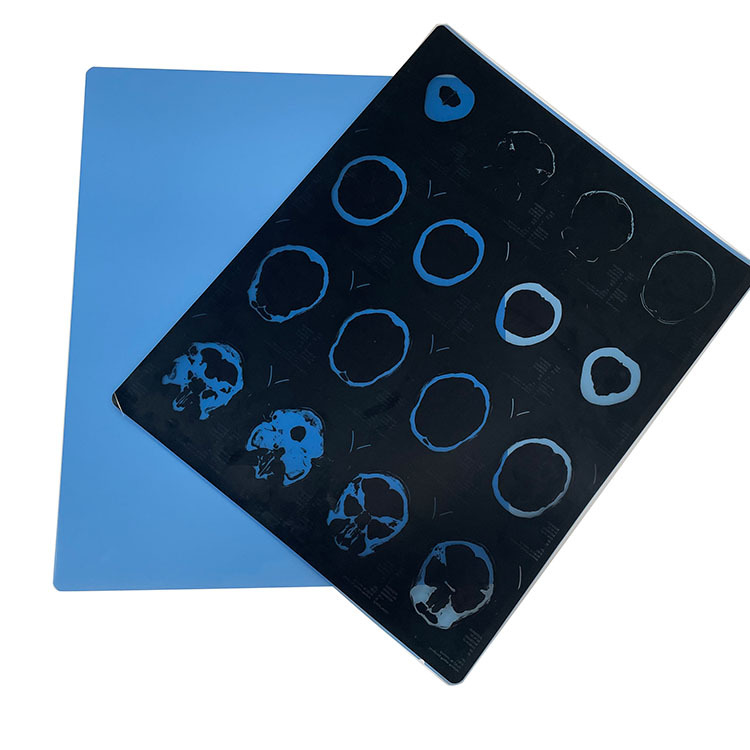
Our medical thermal film delivers exceptional clarity for diagnostic imaging, supported by advanced R&D and efficient production. Trusted through partnerships with leading hospitals, consistent sales growth and robust inventory ensure reliable, prompt global supply of this critical imaging film.
The Beijing-Tianjin-Hebei region has concluded a landmark centralized procurement for diagnostic imaging consumables, with 95 companies successfully winning bids covering 2,466 product specifications. This large-scale tender represents one of the most significant purchasing events for medical thermal film in China’s healthcare market. The strong participation reflects continued clinical demand across radiology departments in the capital region. Winning bidders include both domestic manufacturers and international suppliers, all qualifying to supply imaging media to public hospitals across Beijing, Tianjin, and Hebei province.
The centralized procurement mechanism leverages combined volume to negotiate favorable pricing for medical thermal film while maintaining strict quality standards. This bidding round attracted over 120 companies, with 95 meeting all technical and commercial requirements for supplying this essential diagnostic medium. The 2,466 specifications awarded span various sizes, packaging configurations, and performance grades, ensuring participating hospitals can source appropriate products for diverse clinical applications. Procurement officials note the competitive process successfully balanced cost containment with product quality for medical thermal film.
Winning bidders represent a diverse mix of industry participants, from global imaging leaders to specialized domestic producers. International manufacturers including FUJIFILM, AGFA, and Carestream Health secured significant allocations. Domestic suppliers such as China Lucky Film Corporation, JUDcare, and Huqiu Imaging also won substantial bids, demonstrating competitive pricing and localized service advantages. The broad distribution ensures healthcare facilities across the region have access to reliable medical thermal film from multiple qualified sources.
The 2,466 specifications highlight the diversity of requirements across modern healthcare facilities. Awarded products include various sheet sizes, different packaging quantities, and films optimized for specific imaging modalities such as ultrasound, computed tomography, and magnetic resonance imaging. The procurement also includes variants with different archival grades and environmental certifications, allowing hospitals to select products matching their clinical priorities. This comprehensive coverage of medical thermal film ensures the centralized purchasing framework meets operational needs of tertiary hospitals, community clinics, and specialized diagnostic centers.
Market analysts view this procurement as a bellwether for broader national trends in diagnostic imaging purchasing. The successful awarding of contracts to 95 companies signals continued robust demand for medical thermal film despite digitalization pressures. Hospital participation in centralized purchasing has increased year over year, reflecting recognition that physical imaging media remains essential for patient communication, surgical planning, and legal documentation. The Beijing-Tianjin-Hebei model may inform similar regional alliances across other economic zones.
Pricing outcomes reflect ongoing market dynamics. Successful bids achieved average price reductions compared to pre-procurement hospital purchase prices for medical thermal film, consistent with centralized purchasing objectives. However, price declines moderated compared to earlier rounds, suggesting market stabilization. Winning bidders committed to maintaining consistent product specifications and delivery schedules throughout the contract period, with penalties for non-compliance ensuring supply chain accountability.
Quality assurance provisions featured prominently in procurement criteria. All winning bidders must demonstrate compliance with national medical device regulations, including valid registration certificates and quality management system certifications. The procurement requires ongoing quality monitoring of medical thermal film, with provisions for random sampling and testing throughout the contract term. Hospitals retain rights to reject non-conforming products and report quality issues. These safeguards protect patient care while maintaining competitive pressure on suppliers.
The geographic scope covers one of China’s most densely populated regions, serving over 110 million residents. The centralized purchasing framework simplifies procurement for individual hospitals while creating significant economies of scale for medical thermal film acquisition. Smaller community hospitals benefit from access to competitively priced imaging media that might otherwise command higher prices in individual negotiations. Large tertiary hospitals appreciate the streamlined process and guaranteed quality standards across all participating facilities.
Winning bidders have begun mobilizing supply chains to meet anticipated demand for medical thermal film. Manufacturers increased production capacity in preparation for the procurement outcome, ensuring immediate availability following contract signing. Logistics providers have been contracted to establish regional distribution hubs, enabling rapid delivery to participating hospitals. Several winning bidders announced plans to expand technical support teams dedicated to users of medical thermal film in the Beijing-Tianjin-Hebei region.
The procurement process emphasized environmental considerations alongside price and quality. Bidders were required to disclose environmental management practices, including waste reduction and chemical handling protocols. Preference was given to products utilizing silver-free or reduced-silver technologies, aligning with broader healthcare sustainability initiatives. Several winning bidders highlighted their medical thermal film environmental certifications as competitive advantages in the evaluation process.
Hospital feedback on the centralized procurement framework has been generally positive. Radiology department managers express confidence in quality and pricing of awarded medical thermal film. The standardized process reduces administrative burden associated with individual tenders. Clinicians appreciate consistency of specifications across different suppliers, as all winning products must meet identical technical requirements. This standardization ensures predictable image quality regardless of which qualified brand a hospital sources.
Challenges remain in implementation across the diverse Beijing-Tianjin-Hebei region. Logistics coordination across three provincial jurisdictions with different administrative systems requires careful management for medical thermal film distribution. Some hospitals expressed concerns about potential supply disruptions. Procurement authorities have established contingency plans, including secondary sourcing mechanisms, to address such scenarios. Regular monitoring of utilization and inventory levels will inform ongoing adjustments to the procurement framework.
Future procurement rounds are expected to build on experience gained from this successful tender for medical thermal film. Authorities plan to refine evaluation criteria based on hospital feedback and market developments. The specification list will likely expand to include emerging product types for advanced imaging applications. The participation of 95 winning bidders demonstrates a healthy competitive landscape, suggesting continued innovation and price discipline in the sector.
In conclusion, the successful centralized procurement awarding 95 companies with contracts for medical thermal film across 2,466 specifications marks a significant achievement for Beijing-Tianjin-Hebei healthcare integration. This comprehensive purchasing framework ensures reliable access to high-quality imaging media for millions of patients while achieving favorable pricing through collective bargaining. The participation of diverse suppliers creates a resilient supply chain for medical thermal film across one of China’s most important healthcare markets. As regional integration deepens, this procurement model may serve as a template for similar initiatives nationwide, reinforcing the continued clinical relevance of diagnostic imaging media in China’s evolving healthcare landscape.