

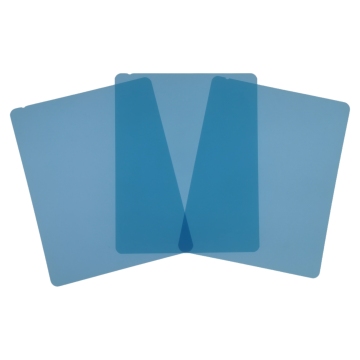
1.Keep Dry: Films should be stored in a dry, cool place, away from direct sunlight and high-temperature, humid environments. A damp environment may cause the film to deform, mold, or get damaged, affecting its performance.
2.Avoid Pressure: During transportation and storage, Films should be protected from compression or impact to avoid damaging the Film and affecting its quality and performance.
3.Prevent Contamination: Before use Film, check the surface of the Films for stains, fingerprints, dust, or other impurities. If necessary, clean it thoroughly. During use, avoid direct contact with the surface of the film with your fingers to prevent compromising its quality and effectiveness.
4.Protect the : During laser treatments or surgeries, the Films should be protected from laser exposure or impact. If any abnormalities occur during use, stop using the film immediately and contact the relevant personnel for handling.
5.Use Properly: Films should be used according to the instructions in the manual, including the number of uses, duration, and other guidelines. Overuse or exceeding the recommended limits may cause damage or safety hazards.
2.Avoid Pressure: During transportation and storage, Films should be protected from compression or impact to avoid damaging the Film and affecting its quality and performance.
3.Prevent Contamination: Before use Film, check the surface of the Films for stains, fingerprints, dust, or other impurities. If necessary, clean it thoroughly. During use, avoid direct contact with the surface of the film with your fingers to prevent compromising its quality and effectiveness.
4.Protect the : During laser treatments or surgeries, the Films should be protected from laser exposure or impact. If any abnormalities occur during use, stop using the film immediately and contact the relevant personnel for handling.
5.Use Properly: Films should be used according to the instructions in the manual, including the number of uses, duration, and other guidelines. Overuse or exceeding the recommended limits may cause damage or safety hazards.
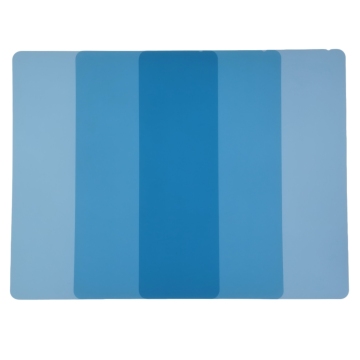
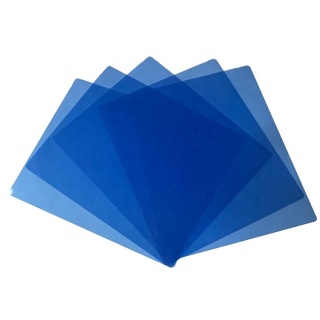
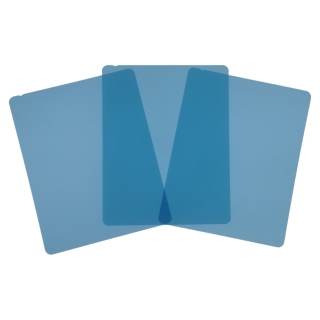
Medical Inkjet Film utilizes high-quality blue polyethylene terephthalate (PET) as its substrate, a material known for its excellent mechanical strength and durability, effectively protecting the internal structure of the Medical Inkjet Film. Both sides of the Medical Inkjet Film are coated with an imaging layer and a protective layer. The imaging layer is responsible for capturing and recording X-ray images, while the protective layer provides additional protection for the imaging layer, preventing scratches and environmental influences, thereby ensuring the clarity and quality of the images.
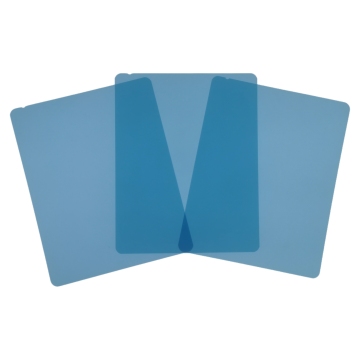
Inkjet Medical X-ray Film is widely used in the medical imaging field, particularly in diagnostic imaging such as radiology, ultrasound, and CT scans. These Inkjet Medical X-ray Film present high-quality medical images that aid doctors in making accurate diagnoses and analyses. Due to their eco-friendly materials and excellent printing quality, Inkjet Medical X-ray Film are gradually replacing traditional films, reducing harmful substance emissions. In the education sector, inkjet films are also utilized in medical training and simulations, helping students better understand anatomical structures and disease presentations through high-quality images. Additionally, inkjet films find applications in the fields of art creation and photography, where artists and photographers leverage their superior color reproduction capabilities and fine image quality to create exquisite artworks and high-quality photographs. These application scenarios highlight the significance and practicality of inkjet films across various fields.
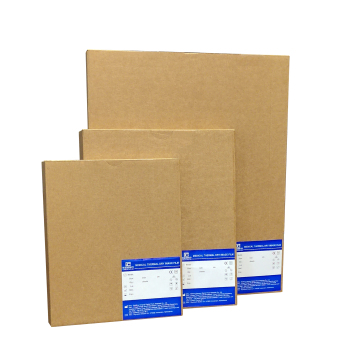
Inkjet Medical Dry Blue Film is widely used in the medical imaging field, particularly in diagnostic imaging such as radiology, ultrasound, and CT scans. These Inkjet Medical Dry Blue Films present high-quality medical images that aid doctors in making accurate diagnoses and analyses. Due to their eco-friendly materials and excellent printing quality, inkjet films are gradually replacing traditional films, reducing harmful substance emissions. In the education sector, inkjet films are also utilized in medical training and simulations, helping students better understand anatomical structures and disease presentations through high-quality images. Additionally, inkjet films find applications in the fields of art creation and photography, where artists and photographers leverage their superior color reproduction capabilities and fine image quality to create exquisite artworks and high-quality photographs. These application scenarios highlight the significance and practicality of inkjet films across various fields.
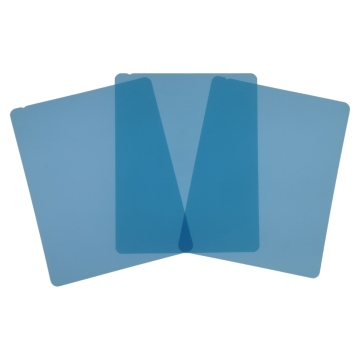
Medical laser film is a type of film used in medical imaging to record the reflection of laser beams emitted by medical imaging equipment within the human body. The main features of medical laser film are high sensitivity and good image quality, which can record more accurate medical imaging data. It is an essential part of medical imaging.Medical Laser Film is typically used to record the laser beams emitted by medical imaging equipment such as CT (Computed Tomography), MRI (Magnetic Resonance Imaging), and DR (Digital Radiography), to capture the results of medical examinations like X-rays, magnetic resonance, and ultrasound. The high image quality of medical laser film allows for more precise medical imaging data, further improving the accuracy and reliability of medical diagnoses, which plays a significant role in patient diagnosis and treatment.