Ultrasound Thermal Paper Market Analysis: South Asia & Southeast Asia
Ultrasound Thermal Paper Market Analysis: South Asia & Southeast Asia
Executive Summary
1. Market Definition & Product Overview
Standard-grade: High-volume, cost-sensitive public facilities;
Premium-grade: Private hospitals, high-end imaging centers, requiring long-term archiving.
2. Market Size & Growth Dynamics
2.1 Global Context
Rising ultrasound device penetration (15%–22% CAGR for portable systems);
Government investments in primary care and rural diagnostics;
Population growth, high obstetric imaging demand, and non-communicable disease screening;
Formalization of private healthcare and insurance coverage expansion.
2.2 South Asia (Led by India)
Diagnostic center growth of ~8.2% annually;
Ayushman Bharat covering >500 million people, boosting public and private imaging access;
Tier 2/3 city and rural clinic expansion driving high-volume standard-paper consumption.
2.3 Southeast Asia
Healthcare infrastructure upgrading under national strategic plans;
Medical tourism and private hospital expansion;
Cross-border medical supply chains centered in Malaysia and Singapore;
High humidity requiring climate-stable thermal coatings.
3. Core Demand Drivers
3.1 Healthcare Infrastructure & Device Deployment
3.2 Maternal & Child Health & Chronic Disease Screening
3.3 Policy & Insurance Coverage
3.4 Private Healthcare Sector Growth
3.5 Climate & Operational Compatibility
4. Supply Chain, Trade & Competitive Landscape
4.1 Supply Structure
China: Dominant supplier of standard-grade rolls (high cost-performance); major exporters to Vietnam, Indonesia, India, etc.
Japan/Korea: Premium-grade, high-stability products for high-end hospitals and branded chains.
Local players: Malaysia (TELE-PAPER), India, and Thailand focus on distribution, secondary rewinding, and compatible consumables; limited coating production.
4.2 Key Players
International: Mitsubishi Paper Mills, Sony, Oji Holdings, GE HealthCare;
Chinese exporters: Shenzhen Baiyuan, Shandong Ultra Paper (Panda), United Foison;
Regional: TELE-PAPER Malaysia, Rudkav International (India).
4.3 Competitive Focus
Cost efficiency for public tenders;
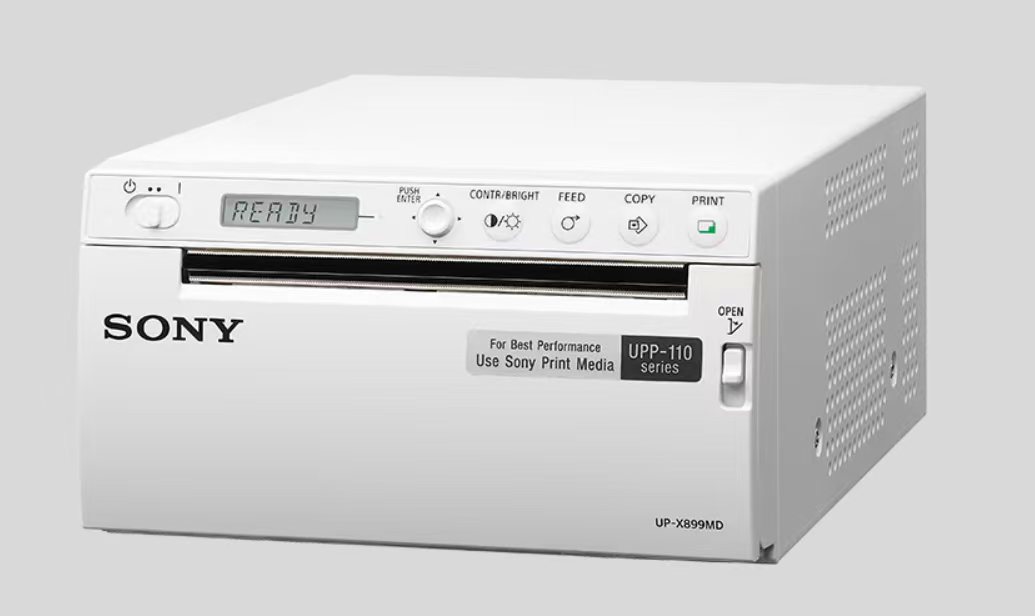
Printer compatibility (Sony UPP-110S/HG dominant);
Distribution reach to tier-2/3 cities and rural areas;
Certifications: ISO 13485, medical device registration;
Moisture resistance for tropical climates.
5. Country-Specific Market Highlights
5.1 India (South Asia Core)
Largest volume and fastest growth;
Public tenders favor low-cost standard rolls; private sector accepts premium pricing;
Distribution concentrated in Delhi, Mumbai, Bangalore;
Local distributors partner with Chinese manufacturers for OEM and branded supplies.
5.2 Indonesia (Southeast Asia Volume Leader)
Archipelago geography drives regional distribution and logistics reliability;
High humidity raises performance barriers;
JKN insurance expands public-facility consumption;
Major importer from China, with local rewinding and packaging.
5.3 Vietnam
Fast healthcare modernization; strong public investment;
Key destination for Chinese ultrasound paper exports;
Border and coastal logistics lower landed cost;
Private clinics grow rapidly in urban areas.
5.4 Thailand & Malaysia
Higher per-capita spending; medical tourism supports premium paper;
Malaysia as a regional distribution hub;
Higher regulatory compliance; favored by international brands.
5.5 Philippines, Bangladesh, Pakistan
Import-reliant, mid-tier growth;
Driven by maternal health programs and NGO projects;
Price-sensitive; standard-grade dominant.
6. Market Challenges
6.1 Price Pressure & Tender Competition
6.2 Import Dependence & Logistics Risks
6.3 Climate & Quality Failures
6.4 Regulatory Fragmentation
6.5 Digital Transition Risk
7. Trends & Opportunities
7.1 High-Stability & Eco-Friendly Formulations
7.2 Localization Strategy
7.3 Channel Partnerships
7.4 OEM & Private Label
7.5 Rural & Mobile Diagnostics
8. Future Outlook (2026–2030)
Stable supply with climate-tailored quality;
Wide distribution to secondary/tertiary cities;
Competitive cost structure;
Regulatory compliance and local registration;
Partnerships across device, distribution, and hospital channels.
Conclusion
Ultrasound Thermal Paper Market Analysis: South Asia & Southeast Asia
Executive Summary
1. Product Overview
Standard-grade: For high-volume public facilities with strong price sensitivity;
Premium-grade: For private hospitals and advanced imaging centers requiring superior archiving stability.
2. Market Size and Growth Dynamics
2.1 South Asia
2.2 Southeast Asia
3. Key Demand Drivers
3.1 Healthcare Infrastructure and Ultrasound Deployment
3.2 Maternal Health and Chronic Disease Screening
3.3 Health Insurance and Public Policy
3.4 Private Healthcare Expansion
3.5 Climate Adaptability
4. Supply Chain and Competitive Landscape
4.1 Supply Structure
China: The leading supplier of standard-grade ultrasound paper, offering competitive pricing and reliable compatibility;
Japan and South Korea: Focus on premium, high-durability products for high-end hospitals;
Local players: In Malaysia, India, and Thailand, companies mainly engage in distribution, rewinding, and secondary packaging rather than upstream coating production.
4.2 Competitive Focus
Cost competitiveness for public tender projects;
Full compatibility with widely used printer models, especially Sony UPP series;
Extensive distribution networks reaching tier-2/3 cities and rural areas;
Medical certifications including ISO 13485 and local device registration;
Superior humidity and temperature resistance for tropical climates.
5. Key Country Highlights
5.1 India
5.2 Indonesia
5.3 Vietnam
5.4 Thailand and Malaysia
5.5 Philippines, Bangladesh, Pakistan
6. Market Challenges
6.1 Price Pressure and Tender Competition
6.2 Logistics and Import Risks
6.3 Climate-Related Quality Issues
6.4 Regulatory Fragmentation
6.5 Long-Term Digitalization Risk
7. Market Trends and Opportunities
7.1 High-Stability and Eco-Friendly Products
7.2 Localization
7.3 Channel Partnerships
7.4 OEM and Private Label
7.5 Rural and Mobile Diagnostics
8. Future Outlook
Stable product quality adapted to tropical climates;
Wide distribution coverage in secondary and tertiary cities;
Competitive cost structure;
Compliance with local medical regulations;
Strong partnerships with device suppliers, distributors, and healthcare providers.
Conclusion