Medical Inkjet Film Revolutionizes Healthcare Imaging: Enhanced Precision, Cost-Efficiency and Sustainability Drive Global Adoption
In the rapidly evolving landscape of healthcare imaging, Medical inkjet film has emerged as a transformative solution, reshaping how medical professionals capture, store, and analyze diagnostic images. Medical inkjet film combines cutting-edge technology, premium materials, and user-friendly design to deliver top-notch imaging solutions for healthcare providers worldwide, addressing longstanding challenges of traditional imaging media and setting new standards for reliability and performance.
Recent market research indicates a significant surge in the adoption of Medical inkjet film, with a compound annual growth rate (CAGR) of 3.80% projected from 2024 to 2031, driving the global medical film printer market to an estimated USD 1633.15 million by 2031. Medical inkjet film’s growing popularity stems from its superior image quality, cost-effectiveness, and compatibility with a wide range of medical imaging devices, making Medical inkjet film an indispensable tool in radiology departments, clinics, and diagnostic centers across the globe.
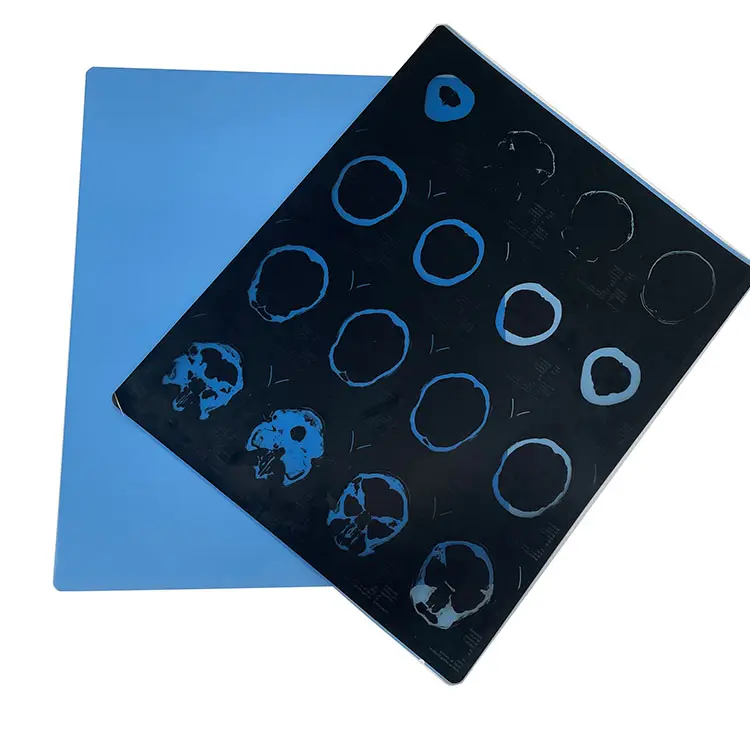
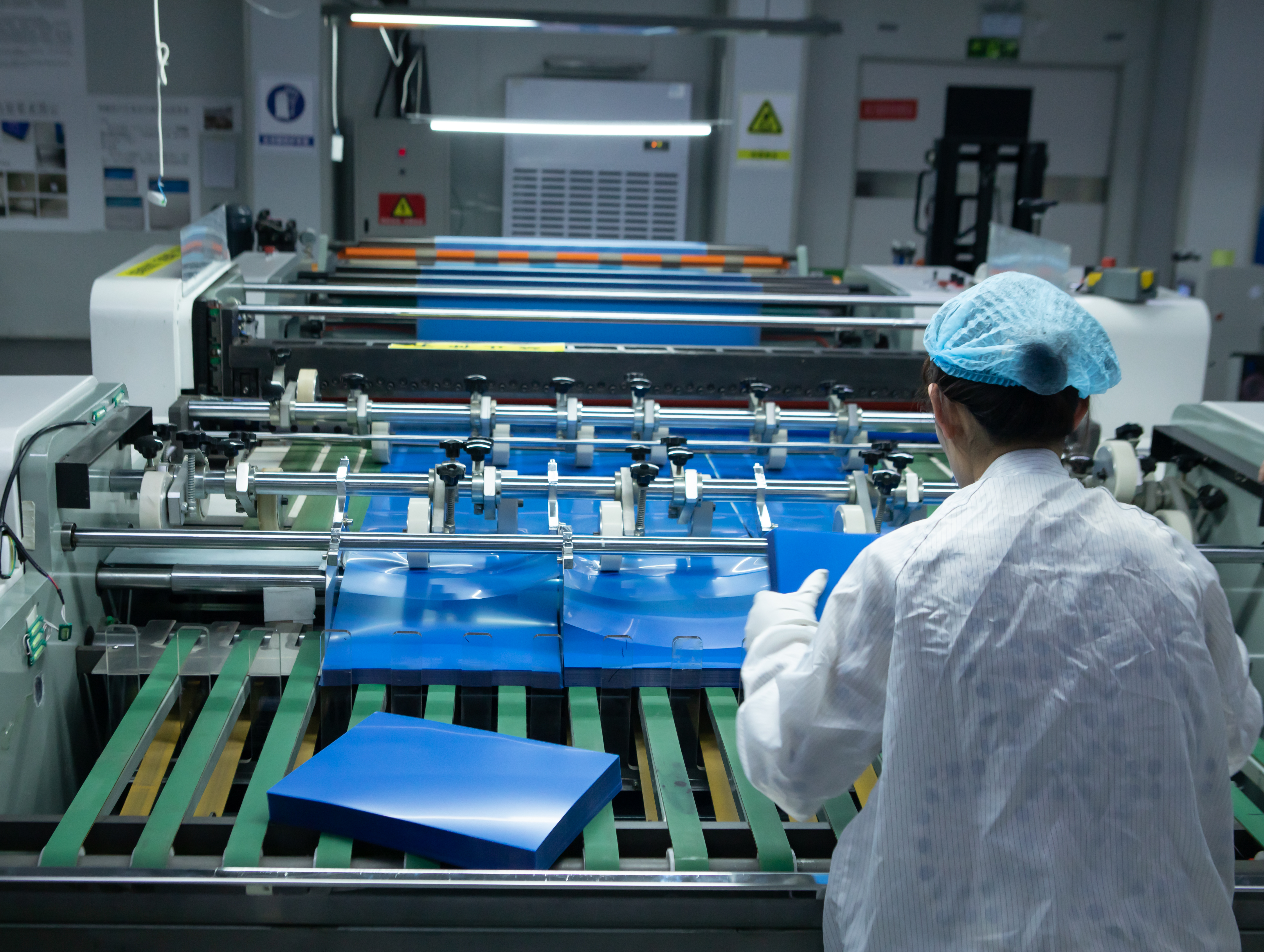
Medical inkjet film is primarily available in two main variants—blue and white—each tailored to specific medical imaging needs, ensuring Medical inkjet film meets the diverse requirements of different clinical settings. Blue Medical inkjet film features a 175 μm-thick PET base, while white Medical inkjet film is offered in 0.125 mm and 0.150 mm thicknesses, both constructed with high-quality materials that ensure excellent bending resistance and durability. These design choices make Medical inkjet film suitable for long-term use in high-volume healthcare environments.
One of the key advantages of Medical inkjet film is its high-resolution imaging capability, a critical factor in accurate diagnosis and treatment planning. White Medical inkjet film stands out with 14-bit gray-scale resolution, enabling the capture of fine anatomical details that are essential for detecting small abnormalities such as tiny lumps or cysts in mammography scans. Medical inkjet film’s precision ensures that radiologists can rely on Medical inkjet film to deliver clear, detailed images that support informed clinical decisions.
Medical inkjet film is engineered to work seamlessly with a wide range of medical imaging modalities, including CT, DR, MR, CR, X-ray, NMR, PET-CT, and ultrasound machines. This broad compatibility eliminates the need for multiple types of imaging media, simplifying workflow for healthcare providers and reducing operational costs. Medical inkjet film’s ability to integrate with various devices makes Medical inkjet film a versatile solution for both small clinics and large hospitals, streamlining imaging processes and improving efficiency.
Cost-effectiveness is another defining feature of Medical inkjet film, making Medical inkjet film an attractive option for healthcare facilities of all sizes. Unlike traditional thermal or laser imaging solutions, Medical inkjet film requires no expensive heat-sensitive materials or laser cartridges, reducing consumable costs significantly. A small clinic in Indonesia, for example, reported cutting imaging print costs by nearly 40% per month after switching to a system paired with Medical inkjet film, reallocating those savings to staff training and patient care.
Sustainability has become a key priority in healthcare, and Medical inkjet film aligns with this trend through eco-friendly design and manufacturing processes. Medical inkjet film undergoes double-sided anti-static and multi-layer coating processes, making Medical inkjet film environmentally friendly and safe for human use. Additionally, Medical inkjet film uses less energy to print compared to thermal or laser alternatives, reducing the carbon footprint of healthcare facilities and supporting global sustainability goals.
Medical inkjet film also boasts exceptional long-term archival stability, a critical requirement for medical records that need to be stored securely for extended periods. Medical inkjet film’s non-fading property ensures that important diagnostic images remain clear and intact over time, without degradation, even when stored in standard clinical environments. This feature makes Medical inkjet film ideal for maintaining compliance with healthcare regulations that mandate the long-term preservation of patient imaging records.
The global market for Medical inkjet film is witnessing significant growth, driven by increasing healthcare investments in emerging economies and the expanding adoption of digital imaging technologies. North America currently holds the largest market share for Medical inkjet film, with over 40% of global revenue, supported by a robust healthcare infrastructure and advanced technological adoption. However, the Asia-Pacific region is projected to exhibit the fastest growth in Medical inkjet film adoption, fueled by rising healthcare expenditure and improving access to diagnostic services.
Leading manufacturers in the Medical inkjet film industry are continuously innovating to enhance Medical inkjet film’s performance and expand Medical inkjet film’s applications. Companies are investing in research and development to improve Medical inkjet film’s resolution, compatibility, and sustainability, with a focus on integrating advanced technologies such as nanocoating and bio-based materials. These innovations are expected to further drive the adoption of Medical inkjet film in specialized medical fields such as nuclear medicine and mammography.
Medical inkjet film’s versatility extends beyond traditional diagnostic imaging, with applications in pharmaceutical packaging and medical device labeling. Medical inkjet film can be used to print high-quality codes, dates, and other critical information on blister packs, plastic bottles, and glass vials, ensuring compliance with industry regulations and enhancing product traceability. This expansion of Medical inkjet film’s use cases is opening new growth opportunities for manufacturers and solidifying Medical inkjet film’s position as a multi-functional healthcare solution.
Despite the ongoing digital transition in healthcare imaging, Medical inkjet film remains a critical component in scenarios where immediate image retrieval is needed without complex digital infrastructure. Medical inkjet film’s ability to deliver high-quality images without relying on advanced digital systems makes Medical inkjet film particularly valuable in rural and remote healthcare facilities, where access to digital imaging technology may be limited. Medical inkjet film ensures that these facilities can still provide accurate diagnostic services to patients in underserved areas.
Industry experts emphasize that Medical inkjet film is not just a temporary solution but a long-term player in the healthcare imaging market. As healthcare providers continue to prioritize precision, cost-efficiency, and sustainability, Medical inkjet film is expected to replace traditional imaging media in more clinical settings. Medical inkjet film’s unique combination of performance, versatility, and eco-friendliness positions Medical inkjet film as a cornerstone of modern healthcare imaging, supporting better patient outcomes and more efficient clinical workflows.
In conclusion, Medical inkjet film is revolutionizing healthcare imaging by offering a reliable, high-quality, and cost-effective alternative to traditional film media. Medical inkjet film’s advanced features, broad compatibility, and sustainability make Medical inkjet film an essential tool for healthcare providers worldwide. With ongoing innovations and growing market demand, Medical inkjet film is poised to play an increasingly important role in shaping the future of diagnostic imaging, ensuring that medical professionals have access to the tools needed to deliver exceptional patient care.