
Home
>
11-18
/ 2025
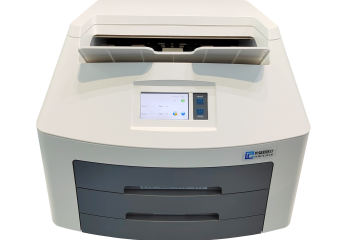
Thermal Dry Imager is a revolutionary tool transforming industrial diagnostics with its advanced thermal imaging technology. Boasting a moisture-resistant, rugged design (IP67-rated), Thermal Dry Imager avoids the distorted readings plaguing traditional thermal cameras in harsh conditions, delivering high-resolution data (640x512 resolution, 0.05°C precision) and real-time color-coded thermal maps.
Versatile across industries, Thermal Dry Imager aids manufacturing in machinery monitoring, renewable energy in solar panel hotspot detection, construction in water intrusion checks, and healthcare in medical equipment maintenance. Its user-friendly features—800g weight, 5-inch sunlight-readable touchscreen, 10-hour battery, and wireless data sharing—enhance usability.
Real-world cases highlight Thermal Dry Imager’s value: a Detroit automotive plant cut unplanned downtime by 30%, while a Texas utility prevented power outages. With AI-powered analytics and cloud integration in the latest model, Thermal Dry Imager leads in predictive maintenance, meeting growing industry demands for safety, efficiency, and compliance.
06-21
/ 2025
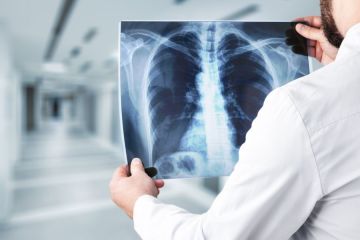
This article focuses on the innovation of X-ray technology, elaborating on its groundbreaking advancements and future development trends in the fields of medical diagnosis and industrial inspection. In the medical domain, X-ray technology has evolved from traditional film-based imaging to digital and 3D imaging systems. Digital X-ray systems can instantly generate high-resolution images, reducing patient waiting times and facilitating the sharing of medical data. 3D X-ray technology enables the construction of three-dimensional models of patients' anatomical structures, providing precise references for orthopedic surgical planning and the diagnosis of neurological disorders.
In industrial inspection, X-rays identify internal defects in products through high-energy penetration technology, detecting hidden flaws in components such as aircraft engines and automotive parts. The integration of automated inspection systems with artificial intelligence algorithms has enhanced inspection efficiency and enabled predictive maintenance.
Looking ahead, X-ray technology is set to progress towards reducing radiation dosage, integrating with other technologies like ultrasound and MRI, and miniaturizing equipment. Portable X-ray devices are expected to play a crucial role in medical services in remote areas and emergency situations. The article emphasizes that, with continuous advancements, X-ray technology has become an indispensable tool in modern medicine and industry, continuously promoting the precision and reliability of various sectors.